
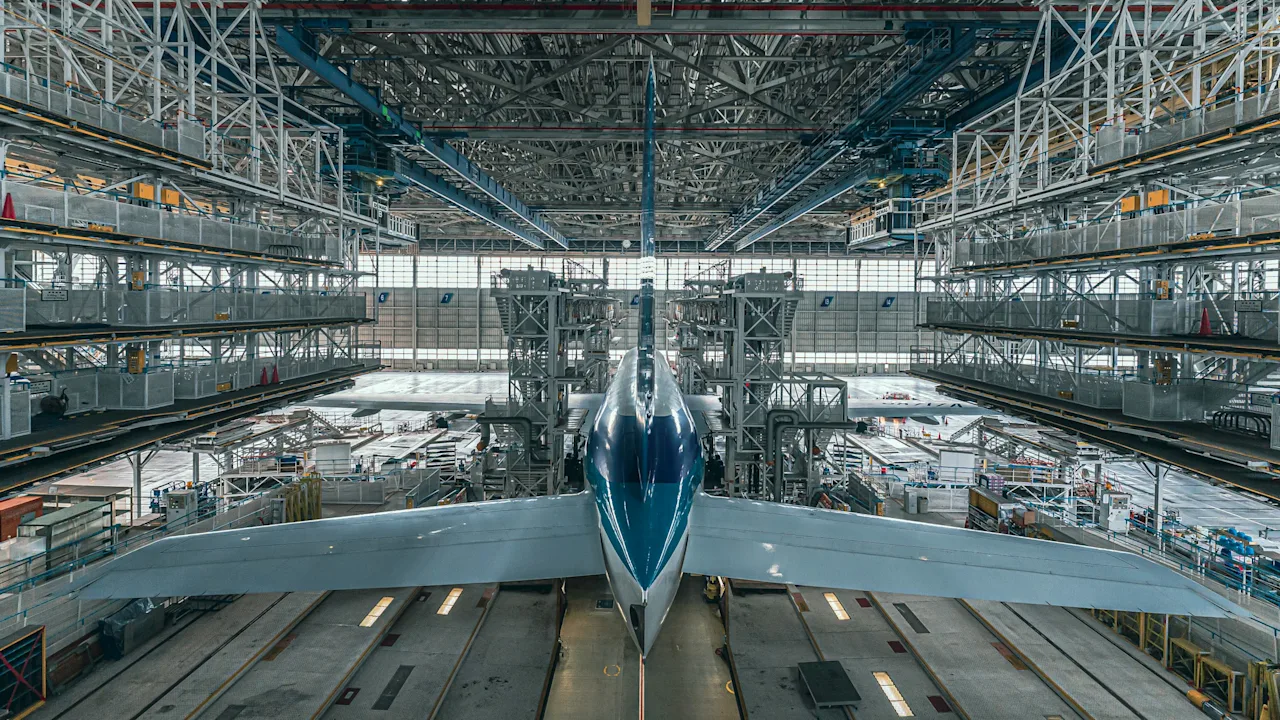
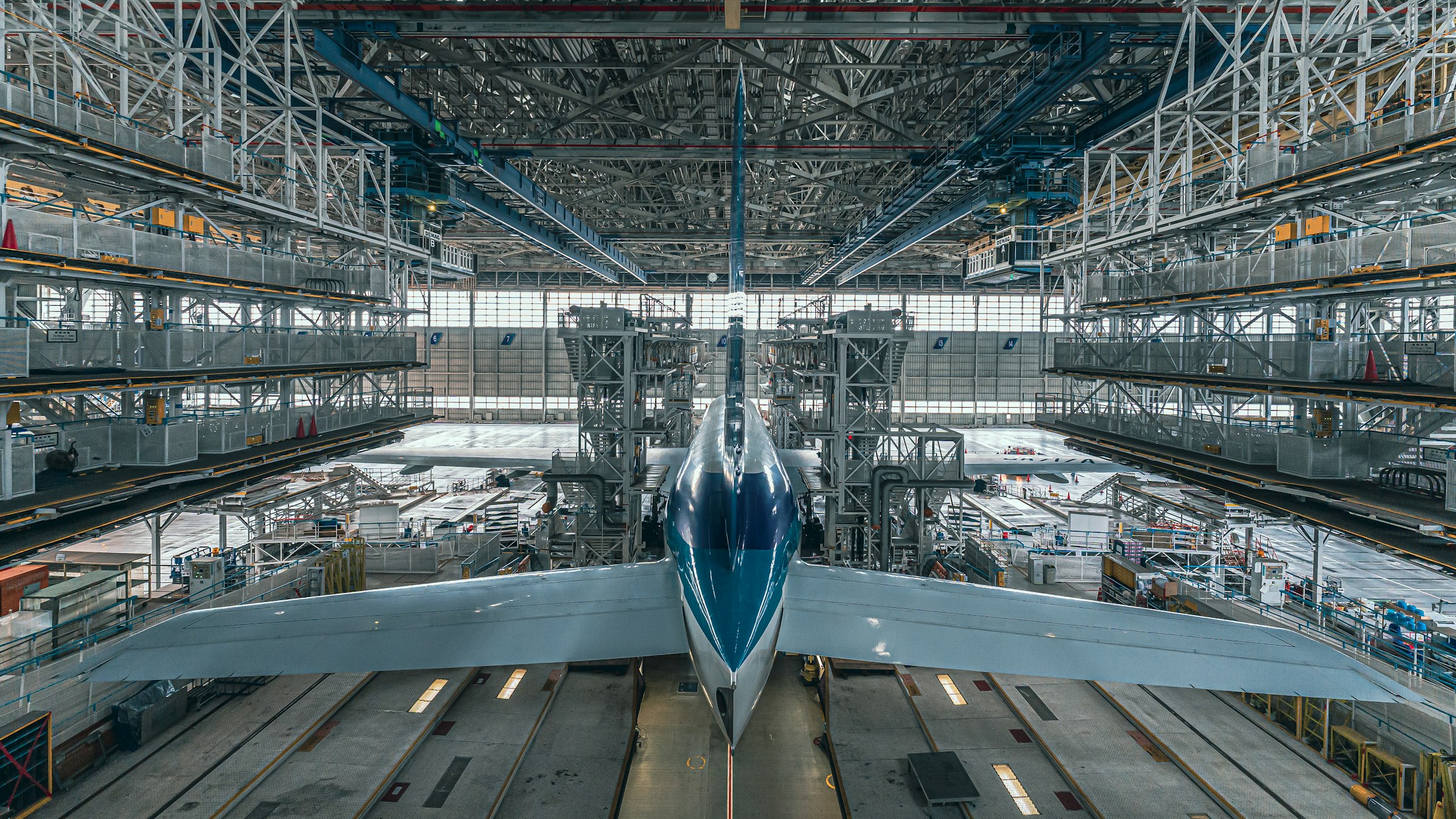
Small firms that make parts for aircraft and defense equipment are looking at something rare: years of work they can count on. But the same boom that fills their order books is testing them in other ways.
This Is Not a Short Spike
Airbus and Boeing have a combined order backlog of more than 15,000 aircraft. Forecast International estimates that is over eleven years of work at current build rates. Boeing expects around 43,000 new aircraft to be delivered worldwide by 2044. The International Air Transport Association does not expect the gap between orders and what factories can actually build to close before the early 2030s. These planes are already bought and waiting in line.
Defense demand is just as durable. The US defense budget for 2026 reached about $1.01 trillion, up more than 13 percent in a single year. NATO members in Europe and Canada raised their own spending by roughly 20 percent in 2025. Most of this money flows through multi-year contracts, so it is committed years ahead rather than decided each year. For a parts maker that serves either side, the work is booked well into the next decade.
Winning the orders turns out to be the easy part.
The Strain Shows Up in Three Places
The first is people. The Aerospace Industries Association found that 56 percent of companies are struggling to hire skilled manufacturing labor. PwC has projected that retirements will leave a gap of about 3.5 million workers by 2026. Almost a third of the current workforce is over 55. The roles in shortest supply are the ones a parts shop runs on: machinists, welders, and assemblers. On the defense side it is harder still, because many jobs need a security clearance, and tens of thousands of cleared positions sit unfilled.
The second is the cost of staying qualified. Aerospace and defense parts must meet strict standards, and defense work now adds a cybersecurity rule called CMMC. Its main tier requires meeting 110 separate controls and passing an outside audit. Compliance advisors estimate first-year costs of $75,000 to $130,000 for a small firm. One industry analysis projected that 33,000 to 44,000 companies, about 15 to 20 percent of the defense supplier base, could leave the defense market between 2025 and 2027 rather than pay to comply. Prime contractors are already dropping subcontractors that cannot meet the rule.
The Third Is Cash, and It Is the Quietest of the Three
A parts maker pays for everything before it gets paid. It buys metal and components, runs the machines, and pays its workers. Then it ships the order and waits. Large buyers are slow, and the government pays in stages. Every new order makes that wait bigger, because more orders mean more material, more wages, and more finished stock sitting on the floor before any of it turns into cash.
The published figures describe the same pattern. J.P. Morgan notes that inventory is rising across the defense supply chain, putting pressure on suppliers balance sheets. Boeing has stated in its own filings that some of its suppliers are in financial difficulty. One study of the defense base found the tightest constraints sit with the second and third tier shops, the firms with the least access to capital and the thinnest margins to fund a ramp.
The work will be there for years. The question is whether the smaller suppliers can keep up: enough skilled people, enough money to stay qualified, and enough cash to carry the work until the money comes in. People and clearances take years to build. Compliance takes months. Cash is the one constraint that can be arranged ahead of the ramp rather than absorbed after it.