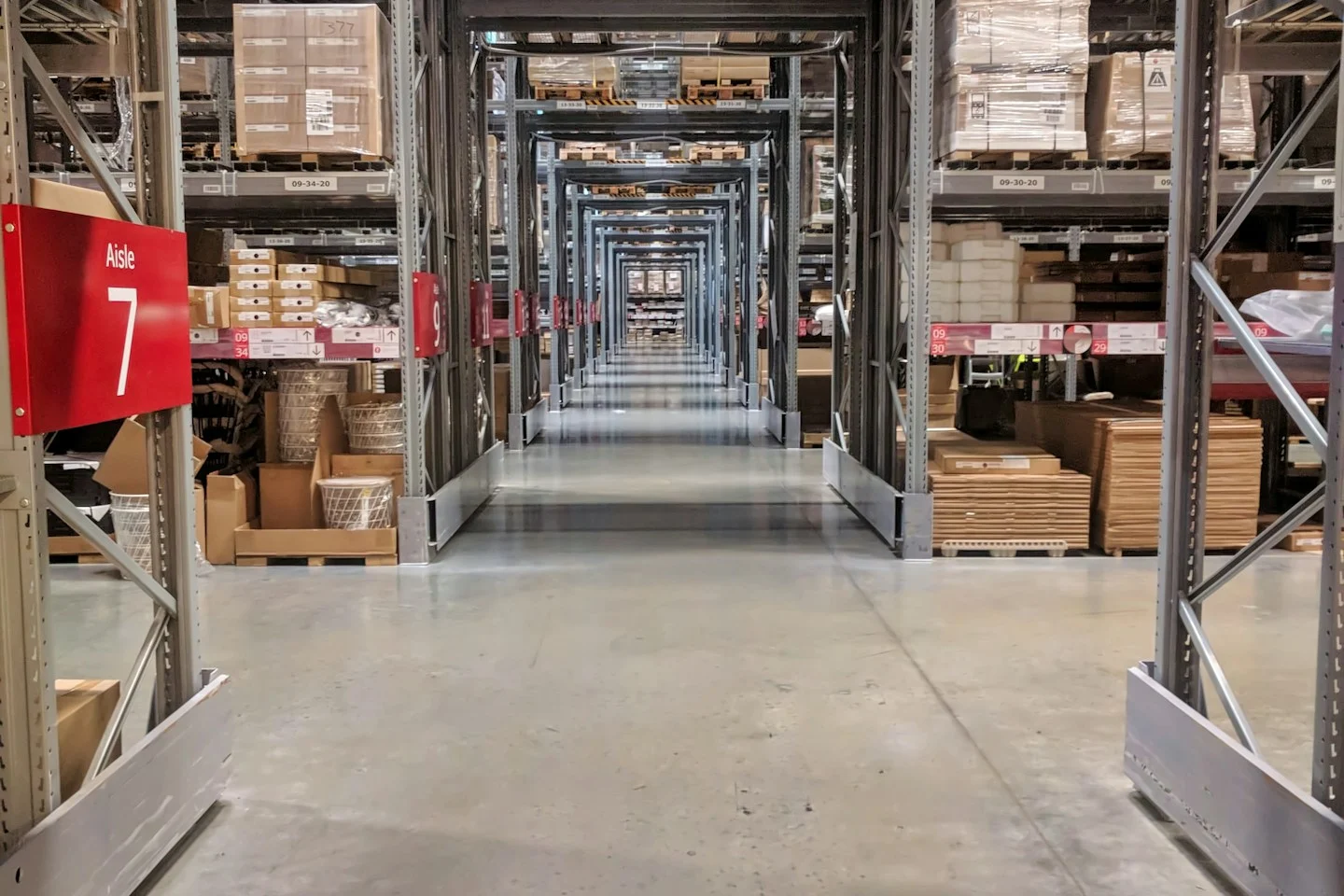

Updated November 26, 2026. Cover: Phillip Flores / Unsplash. Illustrative photograph.
A bank approves a borrowing limit. The business sees that number and assumes the whole amount will always be available. With a cash credit facility, the usable amount may also depend on the stock and receivables supporting it.
The term Cash Credit is widely used in Indian banking. For a US business, the closest comparison is often a working-capital Line of Credit, particularly an asset-based revolver. The legal and banking arrangements differ across markets, so compare the actual agreement.
What Is a Cash Credit Facility?
A Cash Credit arrangement lets a business draw funds within an agreed limit for operating needs. In secured structures, inventory and receivables can support borrowing. Collections and repayments can restore availability, subject to the facility's conditions and ongoing calculations.
The Reserve Bank of India's prudential guidance discusses drawing power based on stock statements. That is an Indian regulatory context; it should not be presented as a rule governing a US borrower.
Sanctioned Limit vs Drawing Power
The sanctioned limit is the approved ceiling. Drawing power is the amount supported by the lender's current calculation. The lender may exclude some assets, apply margins and deduct reserves. Your loan agreement determines the method.
A useful operating question is: how much can I draw today after subtracting the outstanding balance? The approved ceiling alone cannot answer it.
From approved limit to usable cash
Start with the contracted maximum.
Check current drawing power or borrowing base.
Account for reserves and existing borrowing.
Confirm the actual drawable amount.
Why the Available Amount Can Fall
Stock may be sold, written down or become ineligible under the agreement. Receivables may age beyond the lender's permitted period or become disputed. Missing reports can also affect access under the facility terms.
Collecting a customer invoice brings cash in, but it may reduce the receivables supporting the facility at the same time. Model the borrowing-base effect before treating every collection as new spending capacity.
A Simple Drawing-Power Example
Assume a facility ceiling equivalent to $200,000. The lender's calculation supports $150,000, and $110,000 is outstanding. Ignoring other reserves and restrictions, remaining availability is $40,000.
If supported borrowing falls to $120,000, remaining availability falls to $10,000. These are dollar illustrations for comparison by US readers, not quoted bank limits or a standard lending formula.
By the numbers: illustrative example
$40,000Availability before declinein the worked example$10,000Availability after decline
in the worked example
Cash Credit vs Line of Credit
What They Have in Common
Both can help finance recurring working-capital needs through borrowing and repayment within a facility. The repayment rules, permitted uses and availability conditions matter more than the label.
Where the Details Differ
A US Line of Credit may be secured or unsecured and can have different repayment structures. An asset-based facility commonly calculates a borrowing base from acceptable collateral. The OCC's Asset-Based Lending handbook explains the US supervisory framework and collateral controls.
Do not assume that Indian Cash Credit terms, margins, renewal practices or regulatory rules apply to a US product with a similar purpose. Ask for the written agreement and a sample availability calculation.

A facility is useful only if it is accessible when the bills arrive and repayable when required. Test both sides of that timeline before comparing headline limits.
What Costs Should You Compare?
Ask how interest accrues on outstanding borrowing and which fees apply. Review renewal, review, draw, transaction and unused-facility charges where relevant. Confirm the consequences of an excess balance, missed payment or reporting breach.
An unused limit does not necessarily mean zero cost. Compare total expected costs under the borrowing pattern your business actually needs.
What Records Should You Prepare?
Useful records include financial statements, bank statements, inventory reports, receivables aging, customer concentrations and details of existing debt or liens. The lender decides which documents are required and how often they must be refreshed.
The business loan requirements guide helps organize the application. Keep inventory quantities and values reconcilable to the books, and investigate overdue accounts before submitting a borrowing report.
Facility review cheat sheet
Check values, aging and excluded stock.
Check disputes, age and customer concentration.
Confirm submission dates and required records.
Review draw payments, renewal and maturity.
When Is This Structure Useful?
A revolving facility can fit a repeating cycle of purchases, sales and collections. It needs closer review when cash is tied up in slow-moving stock, disputed invoices or expenses that produce no foreseeable repayment source.
Use inventory turnover and accounts receivable turnover to examine where cash is sitting. Borrowing availability and business profitability are separate questions.
Ask These Questions Before Signing
What is the current available amount? Which assets are excluded? Can availability shrink during the busy season? What must be repaid at renewal or maturity? Who receives notice if the lender changes a calculation?
Request a downside example using lower stock values and later collections. A facility that looks comfortable under today's numbers can behave differently after one large customer delays payment.
Where Drip Capital Fits
Drip Capital's Line of Credit supports business working-capital needs, subject to underwriting and agreed terms. Each draw is repaid over six monthly installments. It should be evaluated using those product terms rather than assumed to follow an Indian cash credit facility structure.
For vendor invoices, Vendor Financing pays vendors directly with repayment terms of up to 90 days, subject to approval. Choose the funding structure around the payment you need to make and the receipts available to repay it.
Frequently Asked Questions
Is Cash Credit the same as a US Line of Credit?
The purposes can overlap, but the products and governing rules can differ. Cash Credit is commonly used in Indian banking, while US facilities should be assessed under their own terms.
What is drawing power?
It is the borrowing amount supported by the lender's calculation under the facility. It may be lower than the approved ceiling because of asset eligibility, margins or reserves.
Can I use the entire sanctioned limit?
Only if the facility's availability conditions permit it. Current drawing power, existing borrowing and other restrictions may reduce the amount available.
Does repayment always restore the same amount of credit?
Repayment reduces the outstanding balance, but availability also depends on the facility's current conditions. A simultaneous reduction in supported collateral can limit how much you can redraw.
Is unused Cash Credit always free?
No universal rule applies. Check the agreement for fees and charges in addition to interest on outstanding borrowing.