
Updated November 26, 2026.
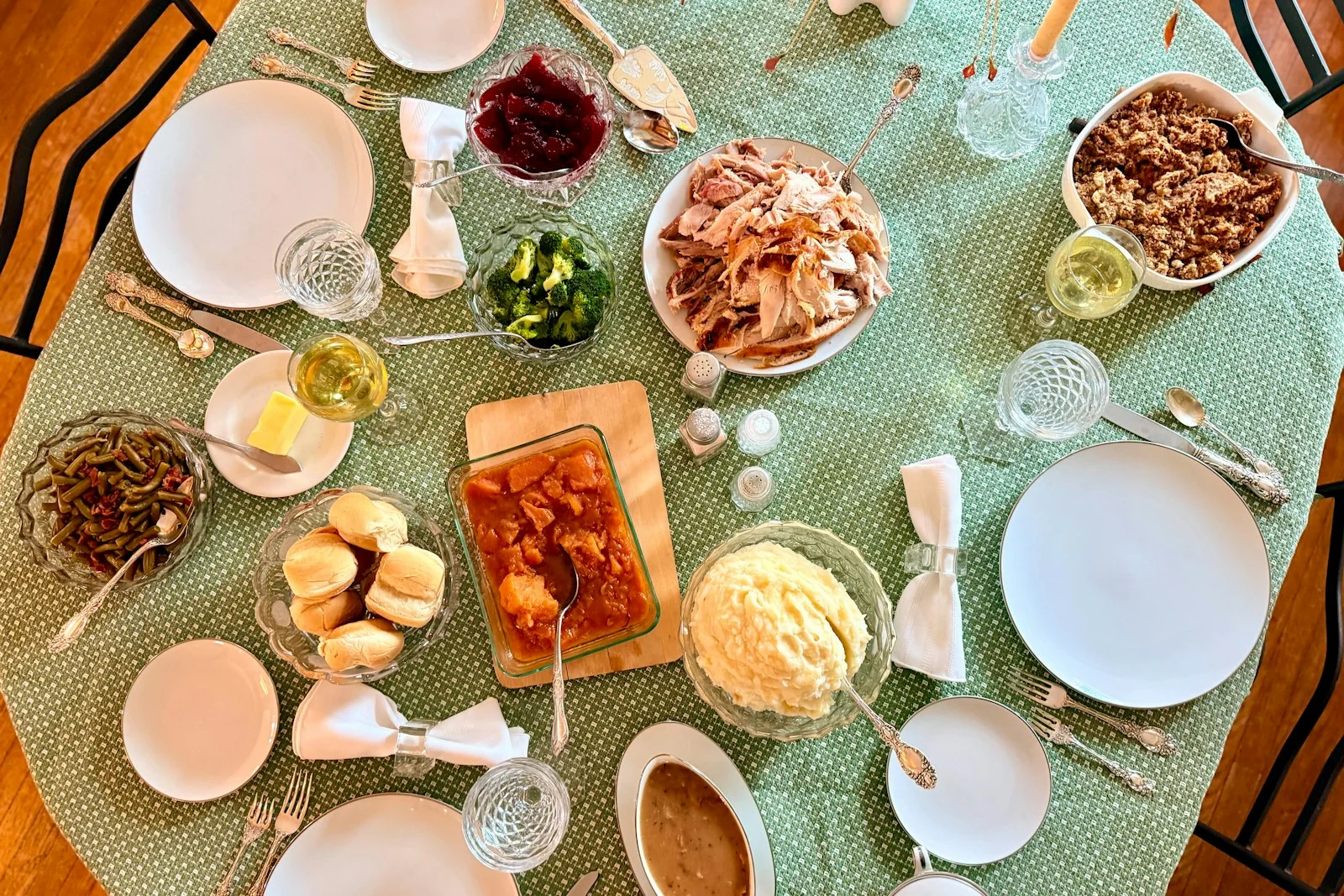
Photo: David Todd McCarty / Unsplash.
The Thanksgiving dinner cost in 2026 is $58.63 for a classic meal for 10, according to the American Farm Bureau Federation (AFBF). That is $3.45 more than last year. Turkey accounts for much of the increase. The separate question is how tariffs affected the bill.
The sources reviewed do not isolate a dollar contribution from tariffs. Domestic production, import exemptions and packaging costs help explain where exposure may arise, but they cannot tell us how much of the price increase came from tariffs. Here is what the price survey shows and what importers should check.
Thanksgiving Dinner Cost 2026: What the Meal Costs
AFBF’s classic basket allows comparisons across years. Its volunteer shoppers sought competitive prices without promotional coupons or combined-purchase deals. The 2026 total remains 8.5% below the 2022 peak. These Thanksgiving food prices describe one basket; a different menu or promotion can produce a different bill.
Item | 2026 | 2025 | Change |
|---|---|---|---|
16-pound turkey | $23.68 | $21.50 | Up 10.1% |
12 ounces of fresh cranberries | $2.48 | $2.28 | Up 8.8% |
1 gallon of whole milk | $4.05 | $3.73 | Up 8.6% |
1 dozen dinner rolls | $3.81 | $3.56 | Up 7% |
Miscellaneous ingredients | $3.84 | $3.61 | Up 6.4% |
14-ounce stuffing mix | $3.91 | $3.71 | Up 5.4% |
3 pounds of sweet potatoes | $4.20 | $4.00 | Up 5% |
30-ounce can of pumpkin pie mix | $4.24 | $4.16 | Up 1.9% |
Half pint of whipping cream | $1.84 | $1.87 | Down 1.6% |
1 pound of frozen peas | $1.99 | $2.03 | Down 2% |
2 frozen pie crusts | $3.28 | $3.37 | Down 2.7% |
1-pound veggie tray | $1.31 | $1.36 | Down 3.7% |
Total | $58.63 | $55.18 | Up about 6% |
A different basket can move in the opposite direction. Wells Fargo’s food-only basket for 10 costs $78.93, down 0.4%, using retail data through September 19. Its composition and timing differ from AFBF’s. Comparing the two totals as if they measured the same dinner would be misleading.
What AFBF Says Pushed Prices Up: Turkey, Diesel and Labor
Using AFBF’s item prices, the turkey’s $2.18 increase accounts for about 63% of the $3.45 rise. This is our arithmetic. For turkey prices in 2026, AFBF points to increased production costs and a recovering flock.
AFBF also identifies diesel, labor, processing and packaging pressures. Domestic production does not isolate a product from changes in input costs or competing import prices.
AFBF does not quantify tariffs’ contribution. Its discussion of other costs cannot establish that tariffs were either negligible or the main cause.
Where Thanksgiving Tariffs Can Apply
For importers, the useful distinction is between a retail price change and a duty assessed on a specific shipment. Our Supreme Court tariff case guide covers the legal background. Current duties still need a product-level check.
Two notices illustrate why a single rate for “holiday goods” would be misleading:
The July 2026 Section 301 notice establishes 10% or 12.5% rates for covered economies, with product and country-specific exceptions. For certain partners, it provides a top-up to the stated level after accounting for the ordinary duty, rather than adding the full percentage. Exemption from this measure does not establish exemption from every other duty.
The April 2026 metals proclamation sets 50% and 25% rates for specified annex categories, but also contains lower rates and exclusions tied to origin, metal sourcing and classification. Treat those as rules to investigate for the exact HTS code, rather than a universal rate for every can, sheet of foil or pan.
The checklist below separates the main questions. It does not calculate a shipment’s final duty.
Thanksgiving dinner cost 2026: where exposure can enter
There is no import duty on a domestic sale itself. Imported inputs and market effects can still influence cost.
Check the HTS code, origin, ordinary duty, preferential eligibility, additional duties and import restrictions.
Verify the exact metal product and current annex coverage. Material and sourcing rules can affect treatment.
Research framework based on the linked official notices. A retail price movement is not a tariff calculation.
For the cost of Thanksgiving dinner, the defensible conclusion is limited: retail prices rose in AFBF’s basket, while the evidence reviewed does not separate the tariff effect. Economy-wide tariff estimates cannot be applied directly to this particular shopping list.

For a distributor, the next step is to compare the landed cost of its own purchases with the prices already promised to customers.
What This Means for Food and Housewares Importers
A useful comparison includes the vendor invoice, freight, customs duties, storage and the time before customer payment. Keep the assumptions consistent across vendors.
Classification comes first. An empty metal container and a packaged food product can follow different tariff provisions. Use the actual product description and HTS code, and check any rules covering filled containers.
USMCA qualification can provide preferential ordinary-duty treatment and exemptions from specified additional measures. It does not automatically remove antidumping, countervailing or every other applicable duty or restriction.
Check how duties interact. Some measures stack; others contain exclusions or top-up rules. Ask your customs broker to confirm the applicable layers and effective entry date before using a rate in a customer quote.
For related context, read our imported beverage tariff guide. Keep refunds on past entries separate from the landed-cost estimate for a new purchase.
How to Check the Tariff on Your Own Products
Build a product-specific record with your customs broker:
- Find the HTS code. Use the official Harmonized Tariff Schedule search from the US International Trade Commission.
- Confirm origin and preferential eligibility. The shipping country alone may not establish origin.
- Read the ordinary duty and applicable Chapter 99 provisions, including exclusions, quotas and interaction rules.
- Look for trade remedy orders. Antidumping and countervailing duties are product and country specific.
- Use our tariff calculator as a research aid, and review the tariff rates guide for context. Confirm the final treatment against official sources.
Thanksgiving tariffs: keep checking every layer
Product description, HTS code, country of origin and expected entry date.
Review preferential claims, Chapter 99 coverage, exceptions and quotas.
Review both antidumping and countervailing orders, plus any import prohibition.
Record the broker’s confirmed treatment and the date of the check before pricing the order.
Start with the USITC Harmonized Tariff Schedule. No early exit based on one exemption.
Updated November 26, 2026. The tariff discussion explains the cited measures and the checks they require; the rate for an individual entry depends on the current HTS and applicable notices.
The Thanksgiving dinner cost 2026 survey is a market signal. Your own inventory cost, payment dates and customer commitments determine the cash you need.
Where Drip Capital Fits: Funding Seasonal Inventory
A seasonal order can require vendor payment well before the goods sell. Build the purchase, storage and collection dates into one cash-flow plan.
With Vendor Financing, Drip Capital pays vendors directly and you repay in up to 90 days, subject to underwriting, approval and agreed terms. This can help fund inventory and materials while you wait to collect customer payments. Confirm the purchases covered by your facility and plan around its repayment dates.
Confirm which vendor invoices your facility covers, and budget separately for any costs it does not fund. Talk to Drip Capital about your seasonal purchasing needs.
Frequently Asked Questions
How much does Thanksgiving dinner cost in 2026?
AFBF’s classic meal for 10 costs $58.63, or about $5.86 per person. That is about 6.3% above its 2025 total. The survey uses a fixed basket, so your bill can differ with menu, location and promotions.
Did tariffs raise the cost of Thanksgiving dinner in 2026?
The sources reviewed do not isolate how much tariffs contributed to the increase. Domestic production and exemptions do not prove that indirect effects are zero. Importers should check their own food, packaging and housewares shipments individually.
Why are turkey prices higher in 2026?
AFBF identifies higher production costs and a recovering flock. Its turkey price is 10.1% above 2025. That survey result does not separately measure the effect of tariffs.
Which Thanksgiving foods are imported?
The origin varies by product and vendor. Foods, spices, beverages and packaging can have different sourcing and tariff exposure. Check the particular item rather than assuming an entire holiday basket has one origin.
Are there tariffs on food in 2026?
Some food imports face duties, while others qualify for exemptions or preferential treatment. A Section 301 exemption alone does not eliminate ordinary duties, trade remedies or import restrictions. Verify the product, origin and entry date.
Is Thanksgiving dinner cheaper than it was in 2022?
AFBF’s 2026 basket remains 8.5% below its 2022 peak. That comparison applies to the same classic menu, rather than every household’s holiday spending.
Where is Thanksgiving dinner cheapest in the US?
AFBF’s lowest regional average was in the South and its highest was in the Northeast. Individual store offers and the menu you choose can change what you pay.