The Drip Capital Blog
Insights on finance, working capital, and the realities of international trade: exports, imports, shipping, logistics, and customs clearance.
Resource Library
Purchase Order Financing vs Working Capital Loan
A practical guide to purchase order financing vs working capital loans - what each tool does, when to use it, and how to choose the right one for your business.
Structured Trade Finance (STF): What It Means
Discover Structured Trade Finance (STF), its benefits, and how it works to manage cash flow, reduce risks, and enable smooth global trade and commodity transactions.

PierPass: Meaning, Fee and How to Calculate It
Certain logistics expenses are zone-specific — meaning that they only apply in certain regions or shipping ports. These charges are only added to the overall freight costs of a given shipment when it docks into a port wherein that particular expense is applicable.

LC at Sight: Meaning, Process and Key Requirements
A sight letter of credit is a document which stands as a proof of payment in return of the goods or services to be released for the transportation by the seller. Once the goods or services reach the buyer, the buyer has to pay the financial institution that provided the Sight LC.

What Is Marine Insurance? Types, Coverage and How It Works
Marine insurance protects ships and cargo from theft, accidents, and natural disasters. Learn about its types, benefits, and coverage options.
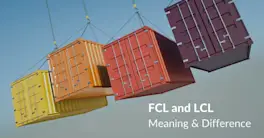
FCL vs LCL: Key Differences, Costs and When to Use Each
Shipping containers are more than just means of transport of goods; there are several nuances exporters need to be aware of regarding the same. Here are some things to remember.

DAP Incoterms: Meaning, Obligations and Examples (2026)
Learn about DAP Incoterms, including seller and buyer responsibilities, real-world examples, and cost breakdowns for smooth international trade transactions.
Country of Origin Rules: How It's Determined (2026)
Learn “what is Country of Origin". Explore the role of the Certificate of Origin in verifying product origins, tariff applications, trade agreements, and consumer perception.