

Photo: Kelly Sikkema / Unsplash. Illustrative image.
The order went out. The invoice went out. The payment seems to have taken a different route.
For a wholesaler, accounts receivable management is the work that turns a completed sale into money in the bank. That work starts before you offer credit and continues until the payment is matched to the right invoice. Sending another reminder is only one part of it.
The aim is simple: make it easy for a good customer to pay correctly, catch problems early, and avoid sending more stock into a payment problem nobody owns.
What Is Accounts Receivable Management?
Accounts receivable management covers credit decisions, invoicing, collections, disputes, and payment recording. Accounts receivable is the money customers owe for sales made on credit. It is useful to separate what has been invoiced from what is due, overdue, disputed, or already paid but unmatched.
A workable AR management process gives each stage an owner. Otherwise, sales thinks finance is handling it, finance is waiting for delivery evidence, and the customer keeps asking for the same document.
By the Numbers: A Simple Collection Example
Assume a wholesaler has $200,000 in receivables at month-end, $150,000 in average receivables, and $300,000 in credit sales over a 30-day month. Of the closing balance, $50,000 is overdue. These figures are illustrative. All sales in this example are credit sales. APQC defines DSO using average receivables and sales per day; use a consistent definition when comparing periods.
share of closing receivables that is
overdue, calculated as $50,000 divided by $200,000.
illustrative days sales outstanding, using average receivables
divided by credit sales, multiplied by 30.
overdue cash that
needs an invoice-by-invoice explanation.
Illustrative example; assumptions and calculations are explained in the article.
The 15-day average does not mean every customer pays in 15 days. A few very late accounts can hide behind fast-paying customers. Use the summary to find the questions, then inspect the invoices.
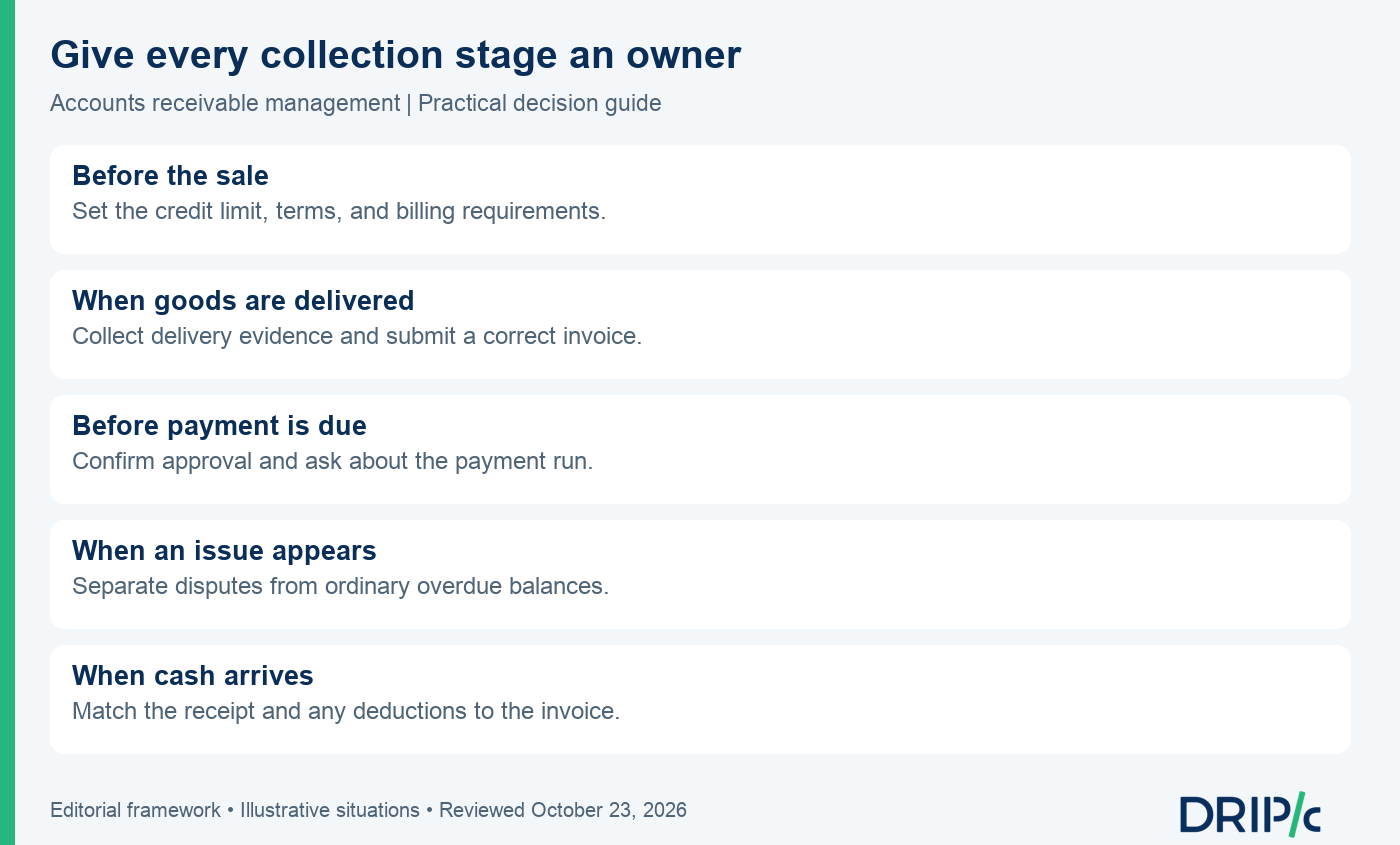
Figure 1. Accounts receivable management: the route from a credit decision to matched cash. Editorial operating framework.
Nine Accounts Receivable Best Practices
1. Set a Credit Policy Before Taking the Order
A credit policy should explain who can buy on terms, how limits are approved, and when those limits are reviewed. Record the customer's legal business name, billing contact, payment process, and any purchase-order requirements.
Start with terms the business can support. A large order does not automatically make a new customer a sound credit risk. For international sales, EXIM's explanation of credit insurance describes one way to address certain nonpayment risks, subject to policy terms and coverage.
2. Agree on Exactly When Payment Is Due
Write down the payment period and what starts the clock: invoice date, delivery, acceptance, or another agreed event. Confirm the billing currency, required documents, and dispute contact. Have appropriate legal advice for contract terms and enforcement.
Our vendor contracts and payment terms guide is useful when reviewing your own purchasing obligations alongside customer terms. A mismatch can create a cash gap even when nobody pays late.
3. Send an Invoice the Customer Can Process
Use the correct entity, purchase-order number, quantities, prices, tax treatment where applicable, and payment instructions. Include the delivery evidence the customer requires. Send the invoice through the agreed channel and check that it was received.
An invoice rejected by a portal is not a collection success because someone pressed send. Keep the rejection reason and the corrected submission date in the record.
4. Review Receivables Aging Every Week
An aging report groups unpaid invoices by how long they have been outstanding or overdue. Choose one convention, label it clearly, and use it consistently. An invoice 40 days old on net-60 terms is not yet overdue.
A practical weekly review separates current invoices, overdue balances, disputes, and promised payments. Assign a named owner and next action to the material items. Read working capital funding options alongside that report if delayed cash is affecting vendor payments.
5. Remind Customers Before the Due Date
Confirm that a large invoice is approved for payment before it becomes overdue. Ask whether anything is missing and which payment run it will enter. This gives both sides time to fix a process problem.
Use a consistent follow-up schedule, with human attention for important accounts. The objective is a clear payment commitment. Sending identical automated reminders after the customer has reported a shortage will not resolve the shortage.
The collection forecast should record expected payment dates, the evidence behind them, and who will follow up. Treat an unsupported promise more cautiously than a confirmed remittance.

Keep the operating budget separate from an optimistic sales report. The guide to funding large inventory orders explains why the next purchase needs a realistic view of collections.
6. Give Disputes a Separate Owner
Track pricing errors, delivery shortages, returns, and quality claims separately from ordinary late payment. Record the disputed amount, evidence required, decision owner, and resolution deadline.
Where the contract and circumstances allow, discuss payment of the undisputed balance. That conversation is often more useful than treating an entire invoice as blocked because one line needs checking. Agree on any credit note before applying it.
7. Match Cash to Invoices Promptly
A payment arriving in the bank does not automatically close the right invoice. Match remittance details, bank receipts, deductions, and customer balances. Investigate short payments and unidentified receipts promptly.
Otherwise, your team may chase money already collected while overstating the overdue balance. Keep changes traceable and separate responsibilities for changing bank details, approving adjustments, and recording payments where staffing allows.
8. Link Further Shipments to the Credit Review
Create a clear escalation process for customers who exceed limits or repeatedly miss promises. Sales should know who can approve an exception, how long it lasts, and what supporting evidence is needed.
Avoid a silent arrangement where each new order increases the balance and everyone hopes the next payment will catch up. The purchase-order funding guide distinguishes the funding need behind a new order from the collection risk already on the books.
9. Track the Reason Cash Is Late
Measure overdue balances, days sales outstanding, dispute volume, and payment promises kept. Then classify the causes: invoice error, approval delay, delivery issue, or genuine payment difficulty. Trends are more useful when the definitions stay consistent.
A falling average can coexist with a growing problem in one customer group. Review the largest accounts and recurring exceptions, not just the company total.
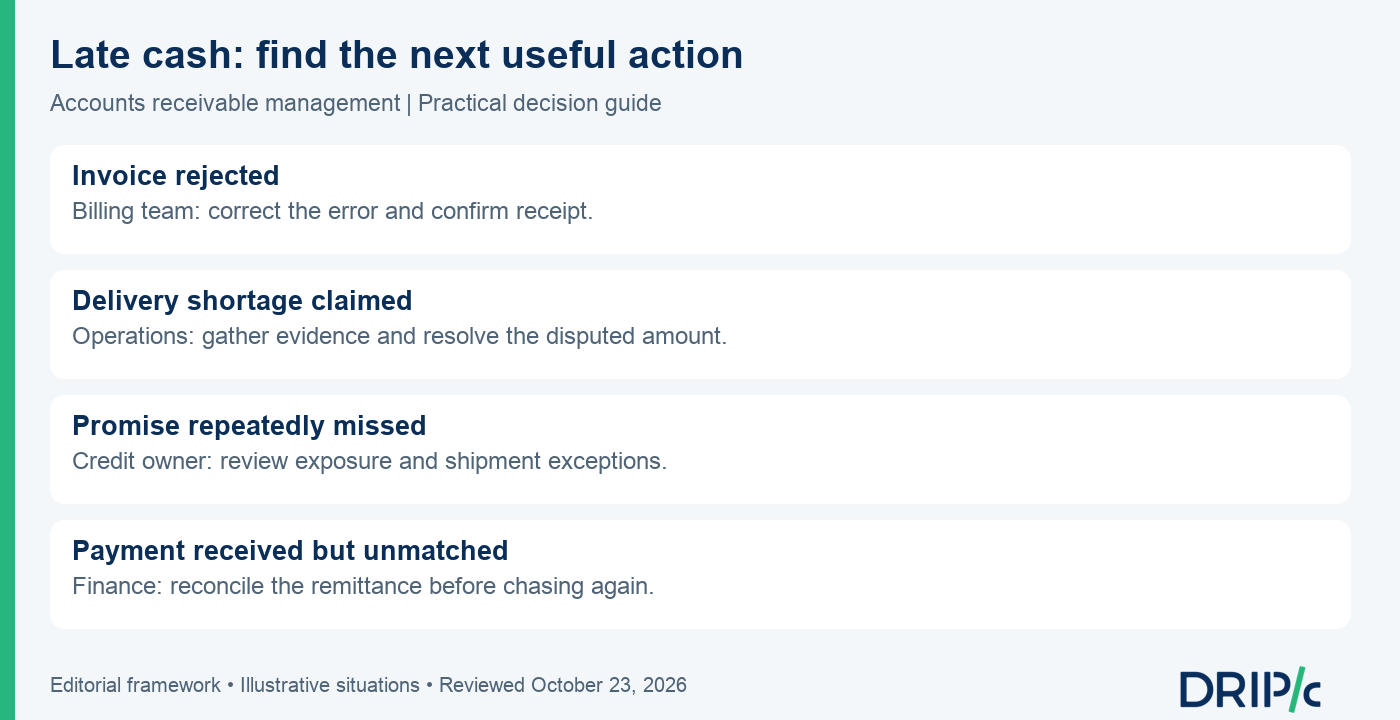
Figure 2. Accounts receivable management: match each payment problem with an owner and a next step. Illustrative checklist.
How to Manage Accounts Receivable Without Chasing Everything
If you are deciding how to manage accounts receivable with a small team, begin the weekly meeting with the balances that could change your cash forecast. Agree on actions, dates, and ownership. Update expected collections when you learn a payment will be late. The forecast should reflect what the meeting uncovered.
Use the small-business funding comparison to assess a genuine timing gap. Financing should come with a repayment plan; it cannot settle a customer dispute or make an invalid invoice collectible.
Where Drip Capital Fits
Drip Capital's Receivables Financing provides funding against issued invoices, subject to business, buyer, invoice, and transaction approval. Discuss the payment flow, permitted invoices, and responsibilities before committing.
For separate operating needs, Drip Capital's Line of Credit provides revolving working capital with each draw repaid over six monthly installments. Talk to Drip Capital with your receivables report and cash forecast so the discussion starts with the actual gap.
Frequently Asked Questions
What Is the Difference Between Receivables and Revenue?
Revenue records sales under the applicable accounting rules; receivables record amounts still owed by customers. Revenue can include sales already paid, so the two balances serve different purposes.
Is Every Unpaid Invoice Overdue?
No. An invoice becomes overdue when its agreed payment deadline has passed. Check the contract's starting event and payment terms before categorizing it.
What Is a Good Days Sales Outstanding Figure?
Compare it with your payment terms, customer mix, seasonality, and prior periods. There is no single target that fits every wholesaler, and an average should be reviewed beside the aging report.
Can Financing Replace a Collections Process?
No. Valid invoices, clear documentation, and dispute management still matter. Financing availability depends on the provider's assessment and the agreed structure.