
Putting your name on a product is easy to picture. Finding someone who can make it consistently, at an order size you can afford, takes more work.
The right private label manufacturers depend on what you sell. A skincare brand testing its first product needs a different setup from a grocery business launching a coffee range. This list compares six companies by published capabilities, checked November 2, 2026. It is a research shortlist, not an audited quality ranking.
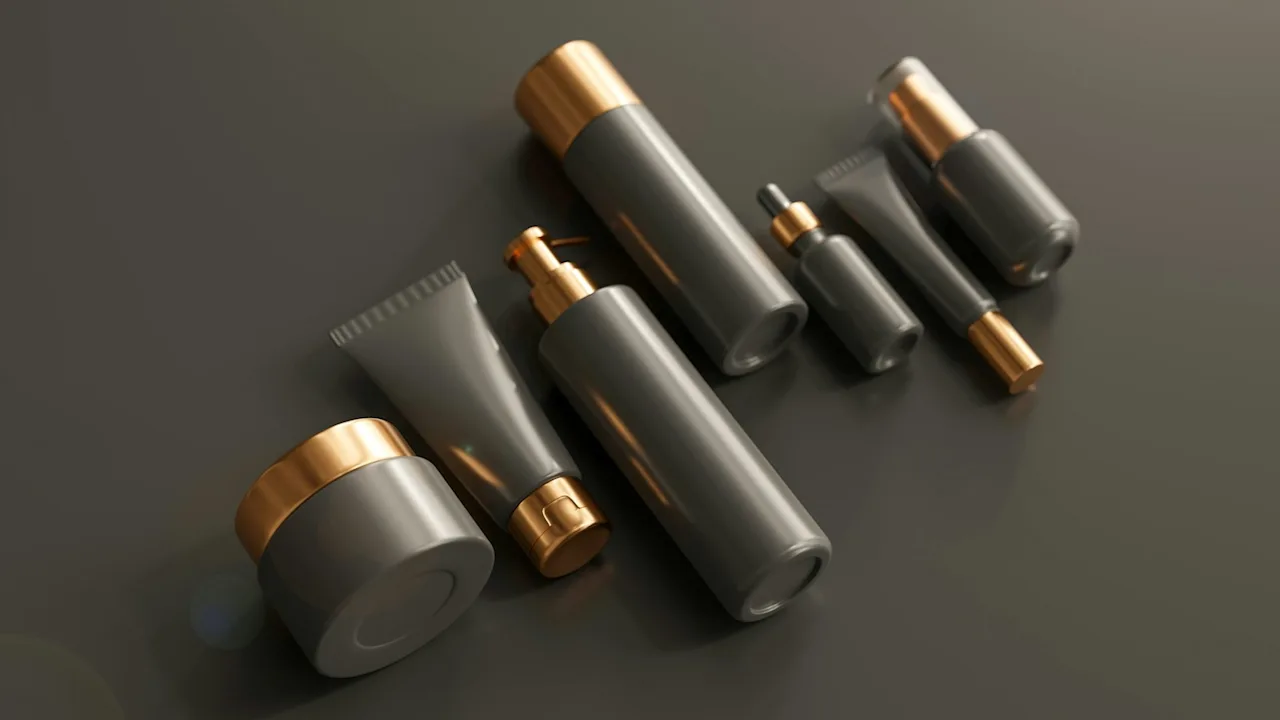
Photo: pmv chamara on Unsplash. Illustrative packaging, not products from the companies listed.
What do private label manufacturers do?
They make products that another business sells under its own brand. Arrangements range from selecting an existing formula and adding a label to developing a custom product with agreed specifications.
Before comparing private label manufacturers, decide what you need to own. A branded label does not automatically give you exclusive rights to a formula, design, or packaging. Put those rights in the vendor agreement.
Six private label manufacturers to consider
1. Onoxa: testing a skincare range
Onoxa offers ready-formulated skincare products and label customization, with a stated minimum of 12 units per product. Its company support page identifies manufacturing and fulfillment in Largo, Florida. Ask which formula and packaging options are available for your exact order. Confirm production timing in writing.
2. RainShadow Labs: personal care and custom development
RainShadow Labs offers stock formulas, custom development, and filling services, with manufacturing in Oregon. Consider it when you want to explore the difference between buying a ready formula and developing your own. Ask who owns the finished formula and whether filling, containers, and labels appear in the quote.
3. Makers Nutrition: dietary supplements
Makers Nutrition offers stock and custom supplements across several formats, with stock-product minimums advertised as low as 500 units. NSF’s listing identifies a manufacturing facility in Hauppauge, New York. Confirm the facility, testing documents, product format, and minimum for your SKU. Certification scope needs checking against the actual work ordered.
4. Westrock Coffee: coffee and beverage programs
Westrock Coffee offers private label coffee in formats including whole bean, ground, and single serve. Its facility directory identifies private label operations in Arkansas and North Carolina. Ask about blend development, packaging, order commitments, and the plant assigned to your product.
5. PLZ: household products
PLZ offers private label household products, including cleaners and air-care products. It operates in the US and Canada, so establish the manufacturing location for your specific order. Ask about packaging compatibility, safety documentation, and who signs off on label claims before production.
6. Moe’s Group: fragrance and body care
Moe’s Group describes perfume-oil and body-mist manufacturing from its California operation, including formulation, filling, and labeling. Explore it when fragrance and packaging are central to your brand. Confirm the minimum for a stock formula versus custom development, along with sample approval and batch specifications.
How much inventory do you need to commit to?
By the numbers: Onoxa advertises a 12-unit minimum per product. Makers Nutrition advertises stock-product minimums as low as 500 units. These apply to different products and programs. They are not interchangeable quotes or a general industry range.
A small minimum can help you test demand, but unit cost is only part of the decision. Budget for samples, artwork, packaging, testing, freight, and storage. Ask which costs repeat on every order and which apply only to the launch.
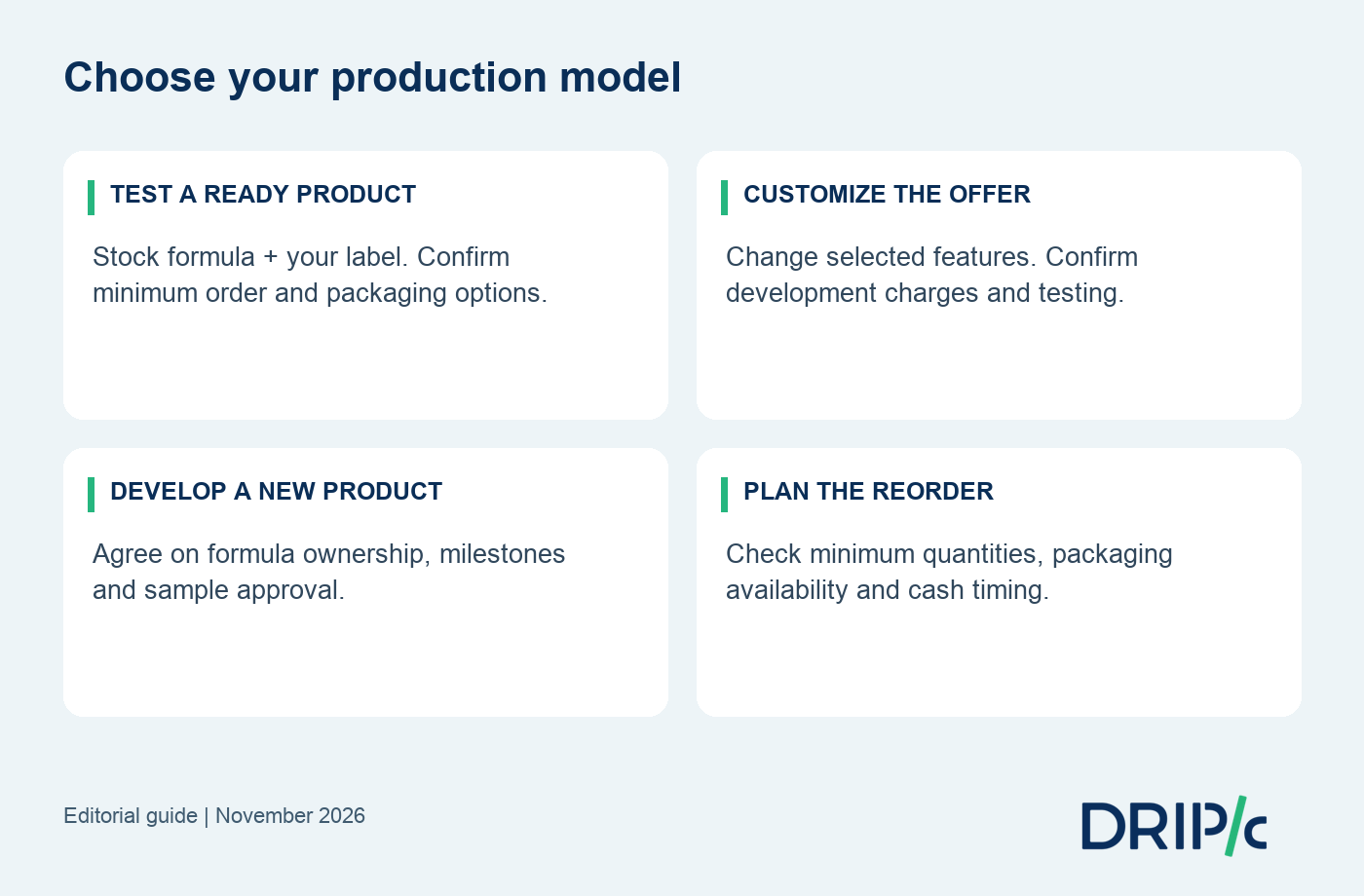
Figure 1. Match the production model to the decision you are ready to make. Editorial guide.
A larger order may lower the quoted unit price while tying up cash for longer. Compare that commitment with expected sales and your inventory-financing needs before choosing a quantity.
Talk to Drip Capital about working capital for business purchases.
Leave room in the launch budget for the second order. You may need to pay for replenishment before the first batch has fully converted into cash.
How to compare private label manufacturers
Start with one written product brief
Describe the product, target customer, ingredients or materials, packaging, first-order quantity, and expected reorder size. Ask every company to quote the same brief. The best private label manufacturers for your business should be able to explain where their existing process fits and where custom work begins.
Approve the product before approving the run
Request samples and agree on measurable acceptance criteria. Record what happens if the batch differs from the approved sample, arrives damaged, or requires a recall. Have qualified support review product-specific testing and labeling requirements. A sample that looks right still needs the appropriate checks.
Put payment and reorder terms in writing
Agree on deposit timing, final payment, minimum reorders, and what happens if packaging becomes unavailable. Review vendor contracts and payment terms, then map the agreed dates against your sales cycle. Net payment terms only help if you understand when the clock starts.
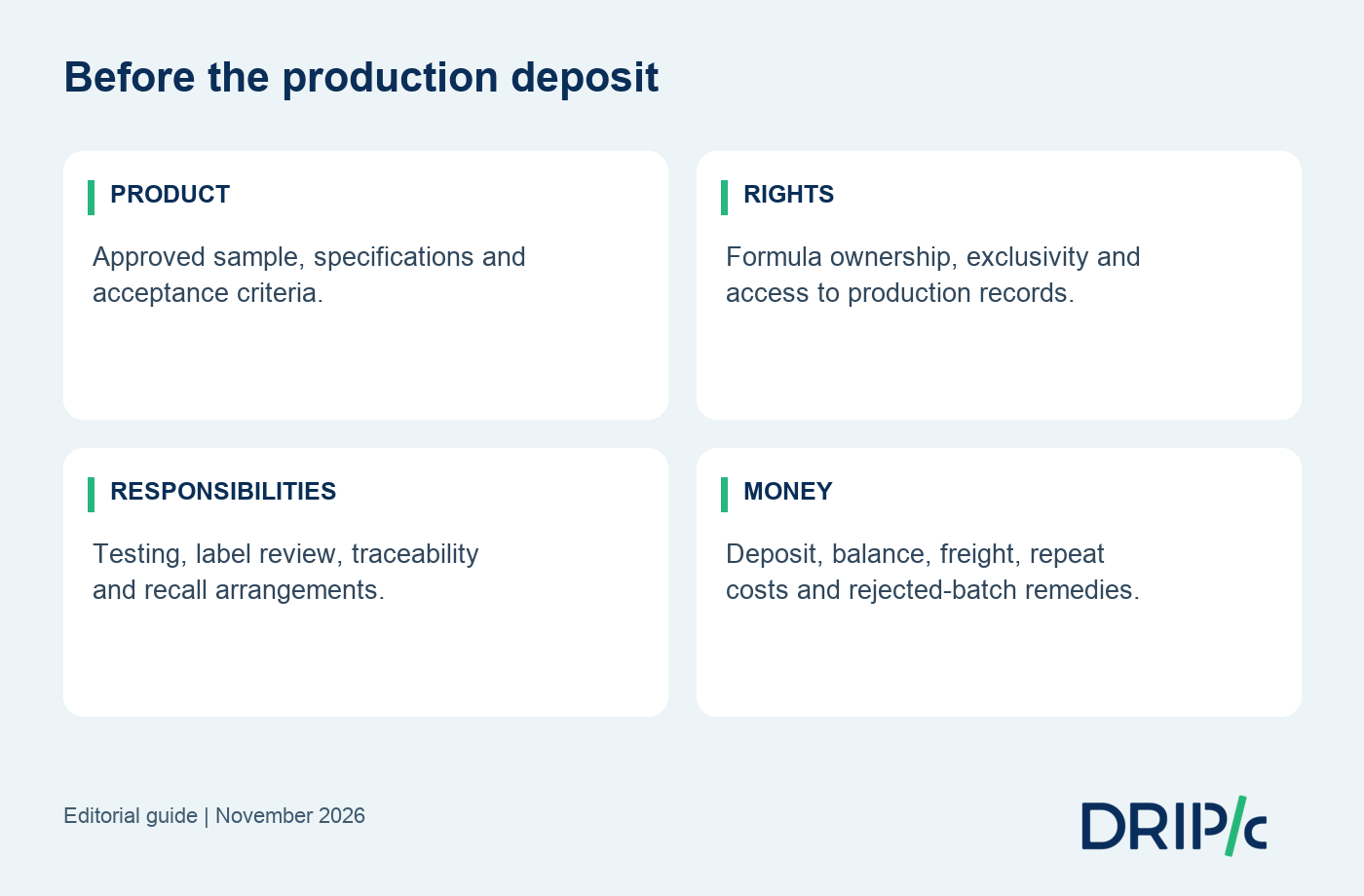
Figure 2. Questions to settle before sending a production deposit. Editorial checklist.
Does US manufacturing mean you can say “Made in USA”?
Check before printing the label. The FTC’s standard generally requires an unqualified “Made in USA” claim to meet the “all or virtually all” test. A US factory address alone does not establish that your product qualifies.
Product obligations also vary. For cosmetics, FDA’s MoCRA guidance addresses responsibilities including safety substantiation and product listing, with relevant exemptions. Agree who handles each obligation; do not assume the manufacturer handles everything because your logo is on the bottle.
Fund the production cycle with Drip Capital
A private label launch puts cash into products before customers pay you. Drip Capital’s Vendor Financing pays vendors directly, subject to approval and applicable terms. Use your production schedule and ecommerce working-capital plan to assess whether financing fits the purchase and repayment cycle.
Frequently asked questions
How do I find private label manufacturers in the USA?
Start with manufacturers serving your product category, then confirm the plant handling your order. Ask for samples, a complete quote, relevant documentation, and references you can verify independently.
What is a reasonable minimum order?
There is no universal minimum across private label manufacturers. Stock formulas, custom development, packaging, and product format can each change the required quantity, so request an SKU-specific quote.
Will I own the formula?
Ownership depends on the contract. Ask separately about formula rights, exclusivity, development fees, and whether you can move production to another manufacturer.