

Democrats won with promises to bring costs down. If you run a business, you probably have a few questions. Will your next shipment cost less? Will overseas customers start ordering again? And will any of this happen before your next payment is due?
Democrats are projected to control both chambers of Congress from January. They also won Republican-held governorships in Georgia, Iowa, Ohio, Texas and Nevada. Trump remains president, so their plans still face negotiations, funding decisions and possible vetoes. Congressional results, governors’ results
For small and medium businesses, the likely direction is more pressure to change trade policy, support smaller firms and put conditions on large corporate projects. How much reaches your business by May 2027 will depend on the details.
Illustration: Democratic donkey artwork by Steven Braeger / Wikimedia Commons (CC0); adapted for this article.
What has actually flipped
The US midterm election results include seven called Senate pickups: Iowa, Kansas, Maine, North Carolina, Ohio, South Carolina and Texas. Georgia and Nevada join Iowa, Ohio and Texas in changing governors’ party. A congressional pickup changes representation in Washington; it does not transfer control of a whole state government. Senate results
This guide was updated on November 6, 2026, using results and reporting available through November 5 in the US. It covers congressional gains, governor changes and selected statehouse results. Calls remain subject to official certification. Close races are identified separately, and redrawn districts can make comparisons with the previous election less direct. House results, Senate results
The six-month outlook below is our assessment of the promises, rather than an announced implementation schedule. It covers Senate seats, governorships, US House pickups and selected state legislative control changes. It does not list every local office or district.
The results at a glance
| Office | Latest reported position | What is still open |
|---|---|---|
| US Senate | NBC lists 54 Democratic and 44 Republican seats | Alaska and Mississippi remain uncalled |
| US House | NBC lists 247 Democratic and 157 Republican seats | 31 seats remain uncalled |
| Governors | Five Republican-held offices flipped: Georgia, Iowa, Nevada, Ohio and Texas | Alaska and Kansas remain uncalled |
| State legislatures | New Democratic control of both chambers in New Hampshire; Pennsylvania’s Senate and Texas’s House also flipped | Arizona’s two chambers remain unsettled |
These are reporting snapshots, not certified final totals. Sources: NBC Senate, NBC House, NCSL state results.
Portraits below identify the people discussed. They include archive photographs and do not depict election-night events. Photo credits and reuse terms appear beside each image.
States with Senate or governor flips
Texas
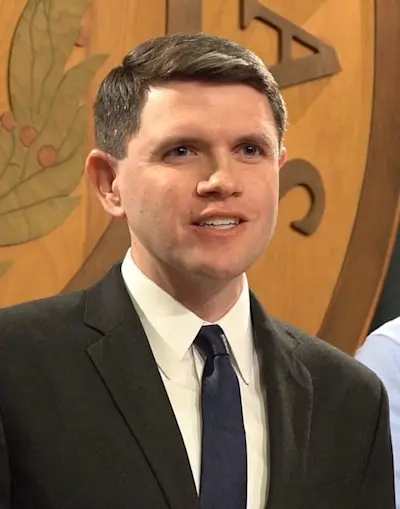
Photo: Antonioaesparza. CC BY-SA 4.0 / source.

Photo: RRC1701. CC0 / source.

Photo: Kim-bodia. CC BY 2.0 / source.

Photo: DivaaNut. CC0 / source.
James Talarico won the Senate race and Gina Hinojosa won the governorship. House pickups also include Bobby Pulido in the 15th District and Katy Padilla Stout in the 23rd.
Talarico’s rural plan calls for removing tariffs on farm equipment, fertilizer and produce that have prompted retaliation. But he also opposes policies expanding competing foreign beef imports. Hinojosa’s agenda proposes a residential utility-rate freeze until large-load users cover their costs. That is a household proposal; it does not promise an immediate reduction in commercial electricity bills.
For your business: agricultural-input relief could help purchasing costs, while ranchers may continue seeking protection. Project vendors should check whether changes to incentives affect purchasing schedules. Neither agenda establishes a date for cheaper imports or electricity.
Iowa

Photo: Iowa General Assembly. Copyrighted free use / source.

Photo: Rob Sand for Governor. CC0 / source.

Photo: Iowa General Assembly. Copyrighted free use / source.

Photo: Iowa General Assembly. Copyrighted free use / source.
Josh Turek won the Senate seat and Rob Sand won the governorship. Christina Bohannan, Lindsay James and Sarah Trone Garriott also won House seats in districts one, two and three. Iowa House results
Turek opposes unpredictable tariffs but supports strategic protection for industries such as automobiles. Sand wants data centers to cover their own costs, lose tax breaks and face stronger transparency requirements. Turek’s interview, Sand’s plan
For your business: expect pressure to reduce disruption to farm trade alongside protection for selected manufacturers. If you sell equipment or materials to data-center projects, confirm the buyer’s budget before buying stock for an expected order.
Ohio

Photo: US Congress. Public domain / source.

Photo: U.S. Air National Guard photo by Senior Airman Gwendalyn Smith. Public domain / source.
Sherrod Brown won the Senate race and Amy Acton won the governorship. Brian Poindexter in the seventh House district and Don Leonard in the 15th also won Republican-held seats.
Brown supports targeted tariffs against unfair competition while opposing broad tariffs. Acton proposed a conditional moratorium on data centers unless they meet requirements covering utilities, union labor, environmental standards and community benefits. Brown’s interview, Acton’s plan
For your business: manufacturers may gain support for domestic production while still paying duties on some inputs. Project vendors could face revised order schedules. Check your product’s tariff treatment and your customer’s project status separately.
Kansas

Photo: Leoniceno. CC0 / source.
Adam Hamilton flipped the Senate seat. Kansas’s outgoing governor, Laura Kelly, is a Democrat; the governor’s office was not a Republican-held seat entering this election.
His agenda calls for removing tariffs hurting farmers, expanding export markets, doubling USDA export-promotion funding and requiring congressional approval for new tariffs. He also supports more durable market-access agreements.
For your business: this is a clear push to make agricultural trade more reliable. Grain, beef and other agricultural businesses should watch actual agreements and foreign buyers’ responses. Export promotion could help rebuild relationships, but it does not guarantee orders within six months.
North Carolina
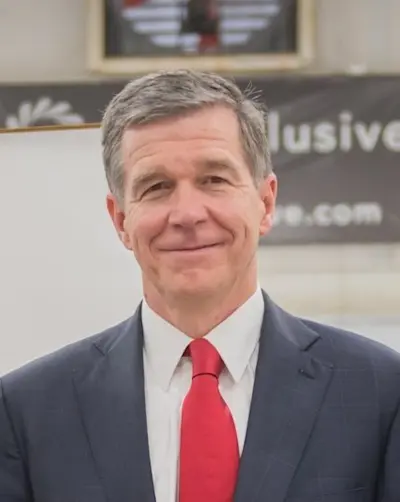
Photo: NCDOTcommunications. CC BY 2.0 / source.
Roy Cooper flipped the Senate seat. Jamie Ager also won the 11th House district. CBS also projects Cyril Jefferson in NC-6, Paul Barringer in NC-13 and Lakesha Womack in NC-14. Additional House calls
Cooper’s cost-reduction plan promises to stop unpredictable tariffs, support farmers and challenge food-industry mergers and pricing practices that reduce competition.
For your business: importers and manufacturers could benefit if relief reaches their goods. Food processors and distributors should also watch competition proposals where a few large companies dominate purchasing or distribution. Legislation or enforcement would have to follow before these promises change your costs or contracts.
Maine

Photo: US Department of Labor. CC BY 2.0 / source.
Troy Jackson defeated Susan Collins for the Senate seat. The governor’s race remained a Democratic hold.
Jackson opposes the trade war with Canada. Collins also opposed Canadian tariffs, so the change is partly about control of Congress rather than a completely new position for this seat. Candidate statements
Some Canadian imports had already received tariff exemptions before the election, according to October 23 reporting. That earlier relief should not be credited to the new congressional majority. Pre-election tariff changes
For your business: seafood, wood-products and other businesses with Canadian vendors or customers should watch for reciprocal relief. Benefits depend on the actual goods and transactions covered. Continue checking processing, delivery and payment arrangements while negotiations continue.
South Carolina
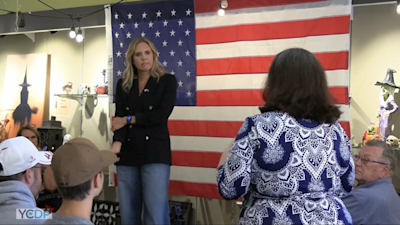
Photo: York County Democratic Party. CC BY 4.0 / source.
Annie Andrews flipped the Senate seat. The governorship remained Republican.
Her economic platform supports trade policies protecting South Carolina’s jobs and farms. She also said a Democratic majority could act against unpredictable tariffs, although her platform gives less detail on individual products. Direct interview
For your business: there is another Senate vote seeking tariff restraint, but no published product-by-product relief schedule to build into a budget. Importers and manufacturers should wait for that detail before offering customers lower prices.
Georgia
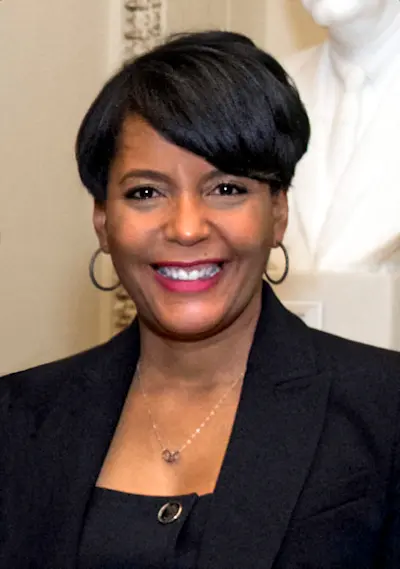
Photo: Office of U.S. Senator David Perdue. Public domain / source.
Keisha Lance Bottoms flipped the governorship. The state’s Senate seat was a Democratic hold.
Her small-business agenda proposes a dedicated office, expanded loan and grant programs, and a larger role for smaller firms in state economic-development spending. Her farm agenda supports cooperatives and producers harmed by trade disruption.
For your business: watch state budgets for funded programs, qualification rules and application dates. Manufacturers, distributors and agricultural businesses may find new support. A campaign promise does not establish available funding, and a governor cannot independently remove federal tariffs.
Nevada

Photo: United State Senate - the Office of Michael Bennet. Public domain / source.
Aaron Ford is projected to defeat Republican Gov. Joe Lombardo, adding a fifth Democratic governor pickup. With both legislative chambers already Democratic, this also gives the party control of the governor’s office and legislature. Governor results, state control
Ford’s economic plan proposes more small-business financing support, investment in clean energy and battery manufacturing, and faster infrastructure delivery. He also wants to review data-center tax abatements and require those projects to pay their energy and grid costs. His labor agenda includes repealing the state’s right-to-work law and expanding union apprenticeships.
For your business: equipment vendors, construction firms and hospitality distributors should watch funded projects and purchasing schedules. Employers should also track labor proposals. None of these promises sets a six-month date for cheaper power, a grant or a new order. Ford’s support for tariff refunds does not establish that your entries qualify or when a refund would arrive.
Other House gains and a close race to watch
These changes add votes to Congress. They do not give a representative authority to change state taxes, utility rates or permitting rules alone. House calls come from the election sources above; policy commitments are linked in each section.
Arizona

Photo: Gage Skidmore. CC BY-SA 3.0 / source.

Photo: Lance Cpl. Shaltiel Dominguez. Public domain / source.
NBC projects Amish Shah in the first district and JoAnna Mendoza in the sixth, both Democratic pickups. Arizona results
Mendoza’s platform opposes disruptive tariffs and supports a long-term Farm Bill, workforce training and energy and water investment. For owners: watch agricultural-input relief and training proposals. They could help farm-related and manufacturing businesses, but this win does not create an immediate local program.
California

Photo: State of California. Public domain / source.
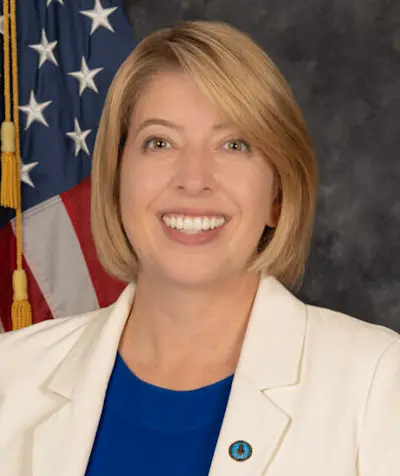
Photo: City of San Diego. Public domain / source.
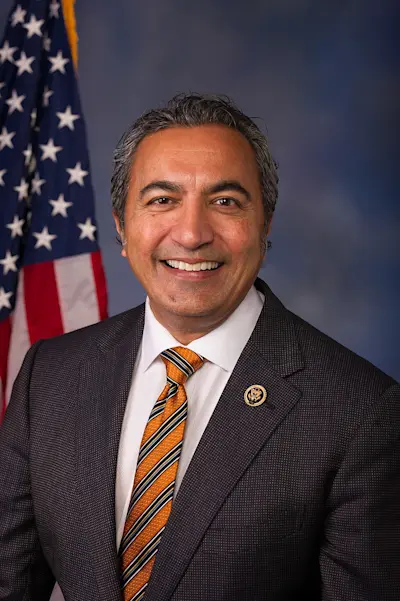
Photo: United States Congress. Public domain / source.
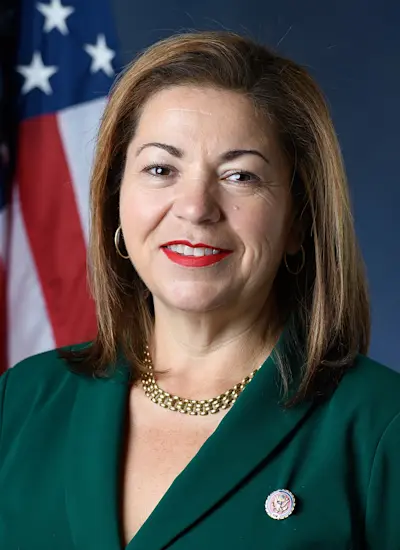
Photo: US House Office of Photography. Public domain / source.
Mike McGuire won the first district and Marni von Wilpert won the 48th, both reported Democratic gains. Ami Bera won the redrawn third district and Linda Sánchez won the redrawn 41st; both were already Democratic members of Congress. Those redrawn-seat wins should be distinguished from defeating a Republican incumbent.
McGuire’s affordability platform focuses on housing, utility and childcare costs. Von Wilpert opposes the tariff war. For owners: these are different routes to lower costs. Neither platform establishes new port charges, shipping prices or a common tariff rate for every product.
Colorado

Photo: Andybosselman. CC BY-SA 4.0 / source.
Manny Rutinel flipped the eighth district. His agenda criticizes tariffs that raise costs and proposes lower health and energy expenses.
For owners: tariff changes could help businesses buying imported goods and materials. Broader household relief could support demand, but neither effect establishes a confirmed increase in sales. Keep purchasing tied to your actual order book.
Indiana

Photo: Dominic. CC0 / source.
J.D. Ford flipped the fifth district. His platform opposes unpredictable tariffs affecting farms and smaller businesses and calls for data centers to cover their own utility and water costs.
For owners: watch proposals affecting farm inputs and manufacturing purchases. Project vendors should check whether funding or oversight measures change buyers’ plans. Ford’s move to Congress does not give him control of Indiana’s state utility policy.
Kentucky

Photo: U.S. Navy. Public domain / source.
Zach Dembo flipped the sixth district. His trade agenda calls for ending the trade war and improving access to markets for farmers and distillers.
For owners: exporters have another advocate for reducing barriers. Watch foreign tariffs, buyers’ inventory and new orders together. Removing a barrier can improve your opportunity to sell, while customers may still need time to work through existing stock.
Missouri
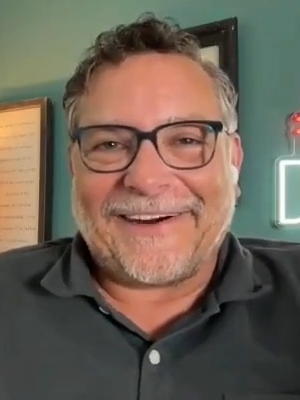
Photo: Frederic Poag. CC BY 4.0 / source.
Fred Wellman flipped the second district. His plan calls for tariff rollback, congressional control over tariff decisions, more housing and stronger conditions on data centers’ power costs.
For owners: import costs and project demand are areas to watch. Housing and grid proposals could create opportunities for building-product and equipment vendors if funded. They do not establish a six-month purchasing commitment.
Montana

Photo: Conorhogan16. CC0 / source.
Sam Forstag won the first district, flipping a Republican-held seat. His platform criticizes disruptive tariffs while supporting carefully targeted protection for US production. It also proposes housing investment and more apprenticeships. Montana House result
For owners: agricultural trade and construction demand are worth watching. A new House member can advocate for changes, but cannot independently remove duties or approve a funded project.
Nebraska
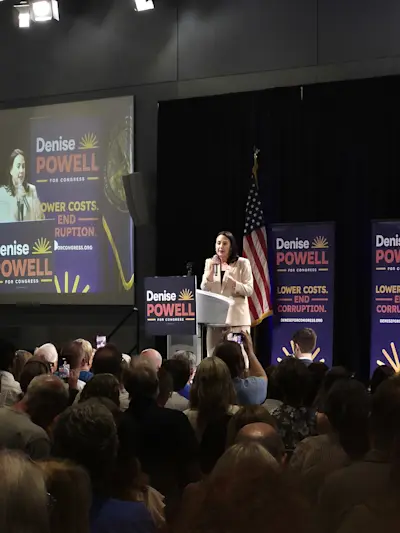
Photo: Anthonymigueldildine. CC0 / source.
Denise Powell flipped the second district. Her platform criticizes current tariff policy, supports smaller businesses and workforce training, and calls for better agricultural market access. It also supports targeted agricultural tariffs.
For owners: expect a distinction between lowering everyday import costs and protecting domestic farms. Food importers and agricultural exporters could face different outcomes. Read the product coverage before assuming a proposal helps both sides of your business.
New Jersey
Rebecca Bennett flipped the seventh district. Her agenda includes housing construction, energy investment, paid family leave and restoring the full state and local tax deduction.
For owners: watch actual tax and spending bills before changing your forecast. Housing-related businesses could benefit from funded construction measures. Employer obligations under any leave proposal would depend on its final design.
New York

Photo: Cybersecurity and Infrastructure Security Agency. Public domain / source.
Cait Conley leads in the 17th district in NBC’s snapshot, but NBC has not projected a winner. This race is on the watchlist, rather than counted here as a confirmed pickup. New York race Her platform proposes less red tape, more access to capital, workforce training and affordable healthcare to help smaller firms hire. She has also called for reversing harmful tariffs. Direct interview
For owners: the agenda reaches beyond import costs to staffing and financing access. Programs will need legislation or funding. Continue using current borrowing terms and actual hiring costs until something changes.
Pennsylvania
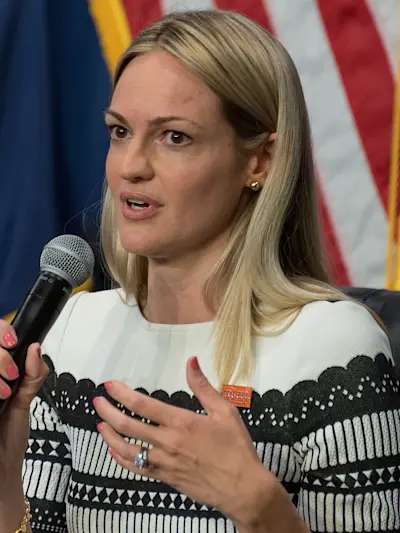
Photo: US Department of Labor. CC BY 2.0 / source.

Photo: James Newton / jnewt-maps on Bluesky. CC BY-SA 4.0 / source.
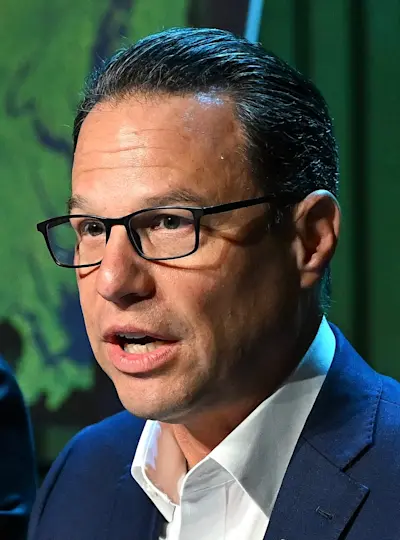
Photo: Maryland GovPics. CC BY 4.0 / source.
Bob Harvie, Bob Brooks, Paige Cognetti and Janelle Stelson won Republican-held seats in the first, seventh, eighth and 10th districts.
Harvie proposed tariff rollback. Cognetti opposed the Canadian trade war. Stelson and Brooks also campaigned against tariffs raising costs. Harvie’s agenda, Cognetti’s interview, Stelson’s statements, Brooks’s interview
For owners: the delegation seeking relief is stronger. Steel protection and imported-material costs can still pull in different directions. Assess inputs and finished goods separately.
Utah
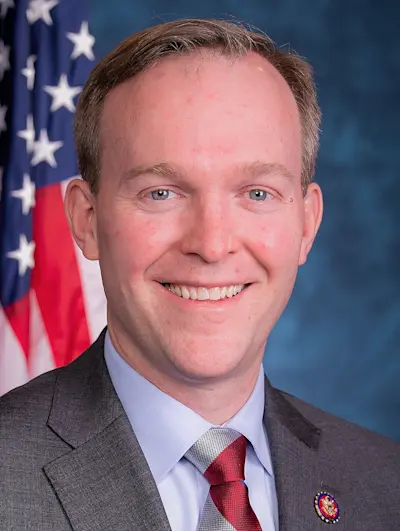
Photo: United States Congress. Public domain / source.
Ben McAdams won the newly drawn first district, which includes Salt Lake City and its suburbs.
In answers to the Utah Chamber, McAdams opposed broad tariffs and supported access to capital, simpler permitting, apprenticeships and manufacturing investment. For owners: watch for funded changes to financing, project reviews and training. The election itself does not shorten an approval already in progress.
Virginia
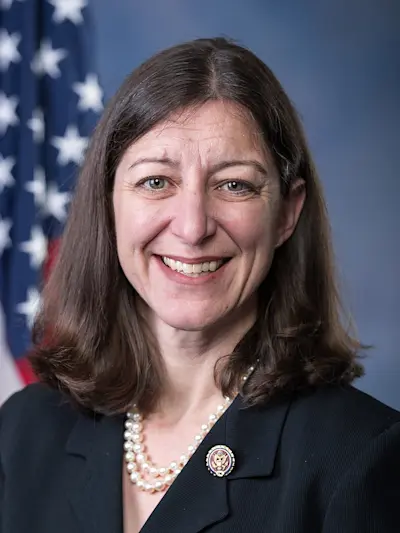
Photo: U.S. House Office of Photography/House Creative Services. Public domain / source.
Shannon Taylor flipped the first district and Elaine Luria won back the second. Both campaigned against tariffs. Taylor also supports making data centers cover their costs; Luria called for reversing policies increasing energy costs. Candidate positions, Taylor’s interview
For owners: watch import costs, energy proposals and project schedules. If you have federal customers, confirm funded contracts and payment dates before buying for anticipated demand.
Wisconsin

Photo: UpNorthNews. CC BY 3.0 / source.

Photo: Sen. Tammy Baldwin. Public domain / source.
Mitchell Berman flipped the first district and Rebecca Cooke flipped the third. The governor’s office remained Democratic.
Berman wants to remove tariffs on lumber and building materials and make data centers pay their own way. Cooke has called for reversing tariffs damaging agricultural markets. Cooke’s statements
For owners: exporters and building-product businesses have clear proposals to follow. If replacement materials become cheaper, compare their cost with existing inventory before lowering selling prices.
Statehouse changes and newly reported Democratic holds
Michigan
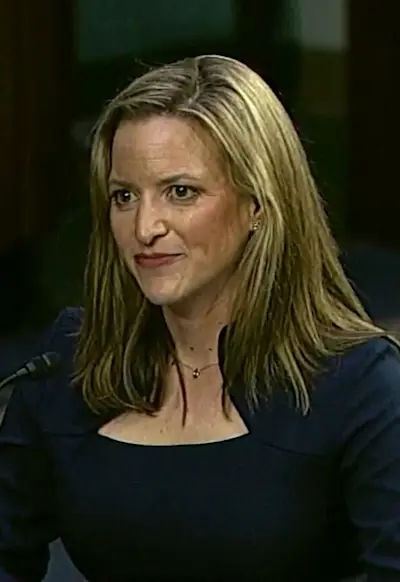
Photo: United States Senate Committee on the Judiciary. Public domain / source.

Photo: Kenneth C. Zirkel. CC BY-SA 4.0 / source.
Jocelyn Benson won the governor’s race and Abdul El-Sayed won the US Senate race. Both offices stay Democratic. The party also regained the state House and held the state Senate, restoring control of the governor’s office and both legislative chambers. NBC now projects Democratic House pickups by Sean McCann in the fourth district, William Lawrence in the seventh and Christina Hines in the 10th. Michigan House results Michigan results
In a Detroit Economic Club discussion, Benson proposed an agency to make small-business growth easier and a review of the state tax code. She opposed federal tariffs affecting Michigan’s Canadian trade. El-Sayed’s trade position supports targeted tariffs tied to an industrial strategy, including support for US electric-vehicle production. His position does not imply removing every import duty.
For your business: auto-parts importers and manufacturers should check finished vehicles and production inputs separately. Cross-border distributors should keep using current Canadian and US customs rules. A state government with fewer partisan barriers may advance business-support or tax proposals, but owners still need enacted rules, funding and start dates before changing budgets.
Minnesota
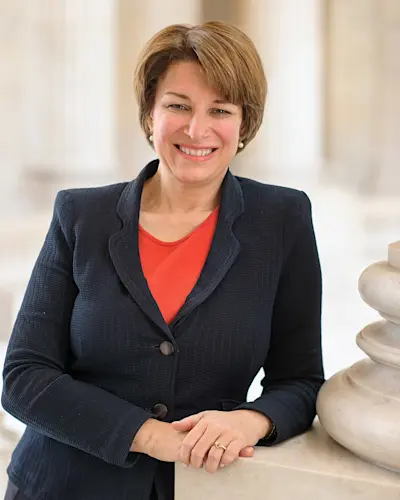
Photo: United States Senate. Public domain / source.
Amy Klobuchar won the governor’s race, keeping that office Democratic. The DFL, Minnesota’s Democratic Party, also won control of the state House after a tied chamber and retained the state Senate. Individual recounts may affect the size of its majorities. Minnesota results
Klobuchar has proposed simpler government processes, more housing and expanded apprenticeships. She reiterated her no-new-taxes pledge after the election. Legislative leaders have emphasized healthcare affordability, and the next session must write a two-year budget. Klobuchar’s agenda, Post-election tax pledge, Legislative priorities
For your business: manufacturers, food businesses and distributors should watch the budget, permitting proposals and healthcare measures. Unified state control may make legislation easier to advance, but it does not establish a new tax break or faster approval for an existing project. Federal tariff policy remains a separate decision.
New Hampshire

Photo: United States Senate. Public domain / source.
Democrats flipped both legislative chambers. Republican Gov. Kelly Ayotte won reelection, leaving divided state government. State results
For owners: budget and business-rule changes will still need agreement across parties. Wait for signed measures and effective dates before treating a proposal as a new cost or benefit.
More changes in states already covered
Wisconsin: Democrats won both legislative chambers, while David Crowley’s governor win kept that office Democratic. That creates a clearer route for state budgets and legislation. Employers and project vendors should watch the actual bills and purchasing plans. Wisconsin legislative results
Georgia and North Carolina: NCSL reports Democratic gains in control of both states’ Houses. These are state legislative changes, separate from the congressional races discussed above. A governor’s proposal still needs the relevant legislative votes and funding, including support in the other chamber. Statehouse results
Pennsylvania: Democrats have won the state Senate, with a reported 26–24 majority, and retained the House. Gov. Josh Shapiro’s reelection gives the party unified state control. His priorities include a higher minimum wage, housing and transit funding. Businesses should monitor the bills and their effective dates before changing payroll or project budgets. Pennsylvania reporting
Texas: Democrats also won the state House; Republicans retain the state Senate. Hinojosa will need support across that divide for legislation.
Still pending: Arizona’s House and Senate, Alaska and Mississippi’s US Senate races, and Alaska and Kansas’s governor races remained uncalled in the sources checked. Leads are not counted as additional wins. Statehouse update, Senate update
What can realistically happen by May 2027
November and December
Expect transition plans and negotiations. Price orders using current duties and operating costs. Review vendor contracts and payment terms, especially where prices or delivery schedules can change.
January through March
The incoming Congress can set hearings, introduce bills and negotiate changes. New governors can propose budgets and use powers available under state law. Tariff repeal, grants and changes to employer rules each have different legal and funding requirements.
March through May
Our expectation is that selective relief is more plausible than every promise becoming law. Agricultural inputs, Canadian trade and congressional oversight are areas to watch. Larger tax, healthcare and workforce measures may take longer. A bill introduced in January could still be under negotiation in May.
By the numbers
The proposed Trade Review Act would generally limit presidential tariffs to 60 days without enacted congressional approval. Antidumping and countervailing duties are excluded. It remains a proposal and would need renewed action in the next Congress. Ordinary Senate legislation usually requires 60 votes to end debate under current rules; some expedited procedures use different rules. Overriding a presidential veto requires two-thirds support in each chamber. Bill summary, Senate procedures, veto process
These hurdles help explain why a majority creates an opportunity for change without guaranteeing a date for savings.
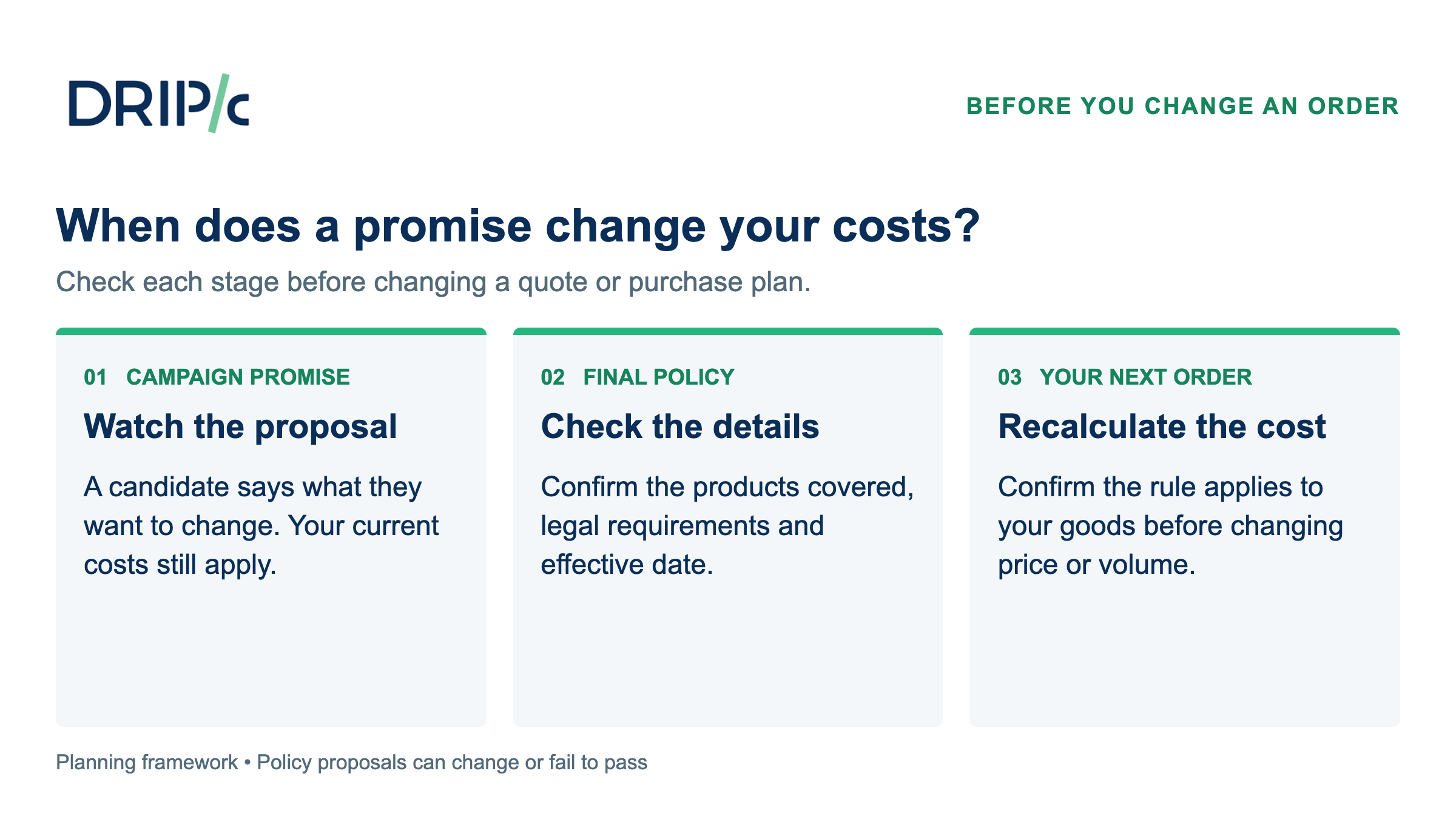
What this means for your next order
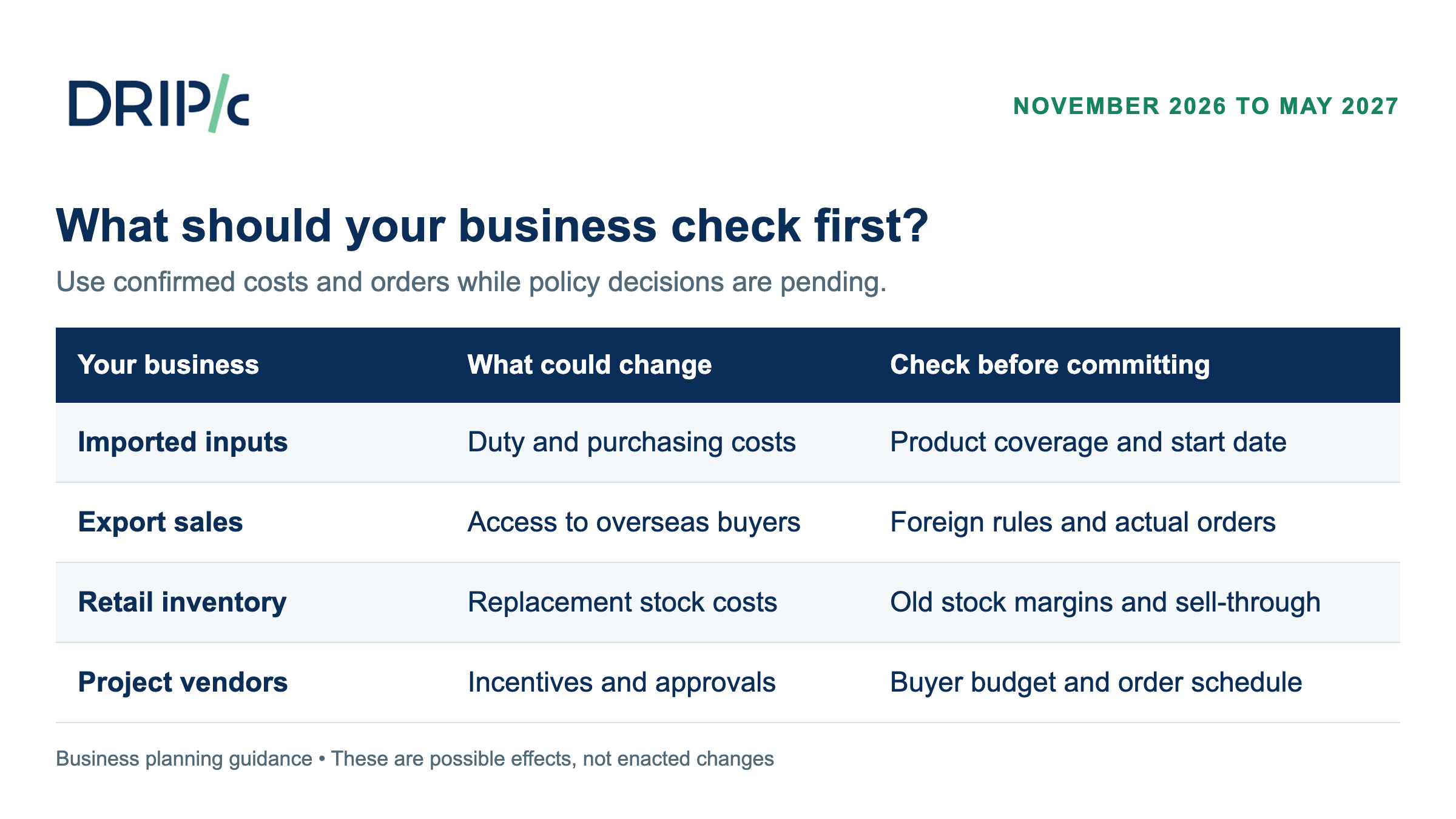
For importers, relief needs to cover the actual product, origin and entry date. Ask your customs broker to confirm those details before changing a quote.
For exporters, a lower US tariff does not remove another country’s restrictions. Confirm demand and payment terms before increasing production.
For domestic businesses, watch funding, qualification rules and application dates. A proposed loan program or incentive belongs on your watchlist until it is available to your business.
The US midterm election results could also create a difficult inventory transition. New stock may become cheaper while older goods still carry higher costs. A stronger order book can require more cash even when each unit costs less to buy.
Keep purchasing and cash flow aligned
Put vendor payments, import costs, expected delivery and customer collections on the same calendar. Test what happens if relief arrives late or a buyer pays later than expected.
Drip Capital’s Vendor Financing pays vendors directly, with repayment terms of up to 90 days. Receivables Financing can help release cash tied up in unpaid invoices. A Line of Credit can support recurring working-capital needs. Approval and applicable requirements apply.

Explore financing for your next order
Use confirmed demand, current costs and realistic collection dates to decide what to buy. Adjust the plan when a policy change applies to your business.
Frequently asked questions
Does a flipped state mean all its business rules change?
A House or Senate pickup changes representation in Congress. State taxes, programs and regulations depend on the relevant state authorities and laws.
Will tariffs fall within six months?
Selective relief is possible, but no universal timetable follows from the election. Keep using current duties until an effective measure covers your goods.
Should I wait to place an order?
Compare the cost of waiting with confirmed sales and delivery commitments. A possible saving may be smaller than the cost of missing a customer order.
Will the result lower my borrowing costs?
There is no automatic reduction in borrowing costs. Your lender’s terms, your business’s credit profile and broader financial conditions still matter.