The business behind the story
Surveyors, engineers, and builders rely on precision equipment to do their work. This importer supplies construction lasers, total stations, theodolites, and GPS units sourced from Asia. Its customers include construction, surveying, engineering, and architecture professionals.
The next container could not wait
Vendors expected payment at or near shipment while customers paid on terms. Cash tied up in receivables could not fund the next container. Tariff costs added pressure to a business whose traditional credit was already too limited for demand.
Financing inventory as demand grew
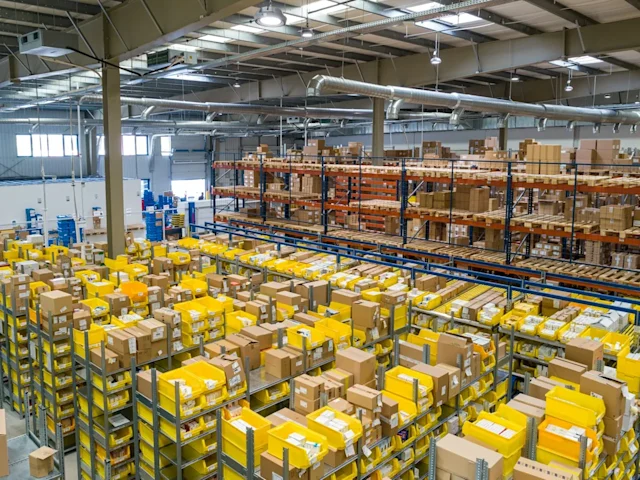
Vendor Financing helped the importer pay overseas vendors and purchase larger volumes without relying entirely on cash on hand. Financing bridged its purchasing and customer payment cycles. With vendor payments financed, the importer could buy larger volumes of equipment instead of limiting the next order to the cash currently available. That helped keep inventory moving as customer demand increased.
Inventory kept moving through a changing market
Revenue rose from approximately $3.7 million in 2024 to $7.9 million in 2025. The business also recorded $19 million in total invoice value funded and more than 550 invoices financed since 2021.
What this means for a business like yours
An inventory business needs to fund its next purchase even while earlier sales are still awaiting payment.
Customer identity is withheld for confidentiality. Figures reflect the periods described in the original case study, not current balances or a forecast. Cumulative invoice value is not an approved credit limit. Individual results vary.