The business behind the story
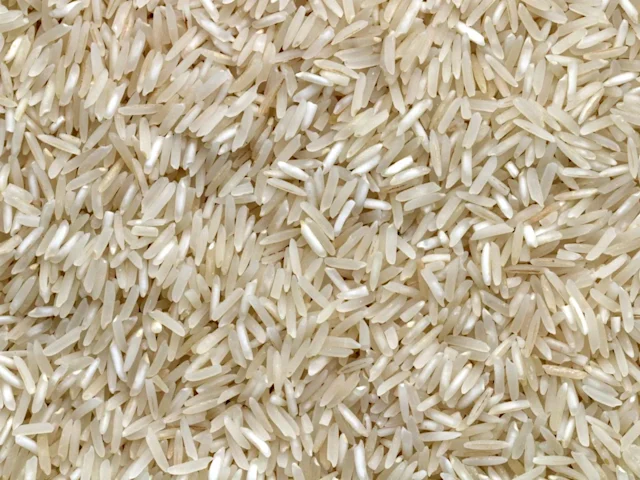
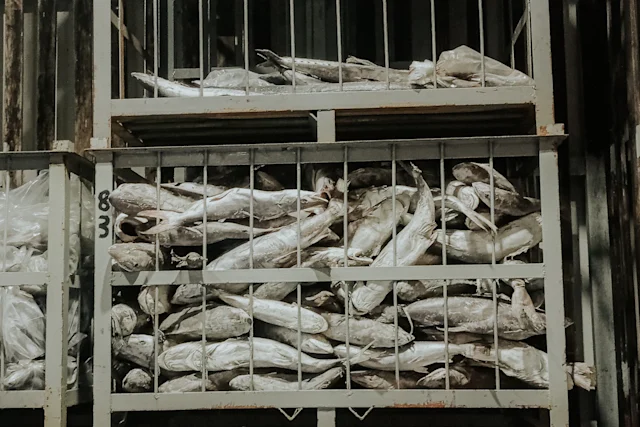
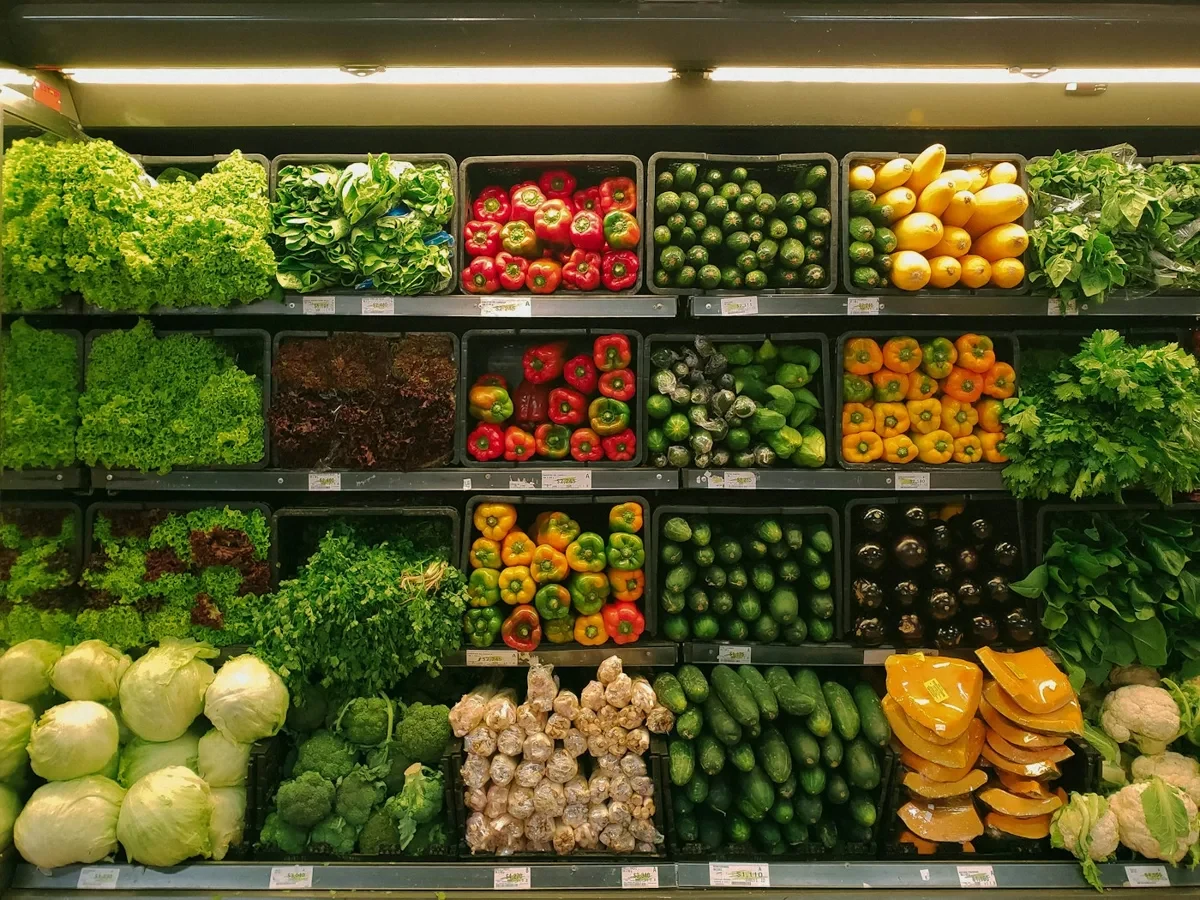
This importer supplies South Asian groceries and kitchenware to neighborhood grocery stores across the country. It sources from India, Pakistan, and China to serve shoppers looking for familiar food and household products.
Demand outpaced available cash
Overseas vendors wanted payment at shipment, while grocery stores paid on terms. A short credit history limited access to traditional bank financing, leaving purchasing constrained by the cash the importer could put up front.
More room to buy for the next order
Vendor Financing helped the importer pay overseas vendors and place larger, more frequent orders. That working capital supported purchasing while the business waited for payments from its retail customers. The business could place larger, more frequent orders and keep customer shelves stocked instead of waiting for previous sales to turn into cash. The financing supported a more consistent purchasing cycle as demand increased.
A growing grocery supply chain
Revenue grew from about $1.5 million to $7.6 million in under two years. The business recorded $1.76 million in total invoice value funded and more than 40 invoices financed per year.
What this means for a business like yours
For a growing importer, the cash needed to purchase goods can become a constraint well before demand slows.
Customer identity is withheld for confidentiality. Figures reflect the periods described in the original case study, not current balances or a forecast. Cumulative invoice value is not an approved credit limit. Individual results vary.