The business behind the story
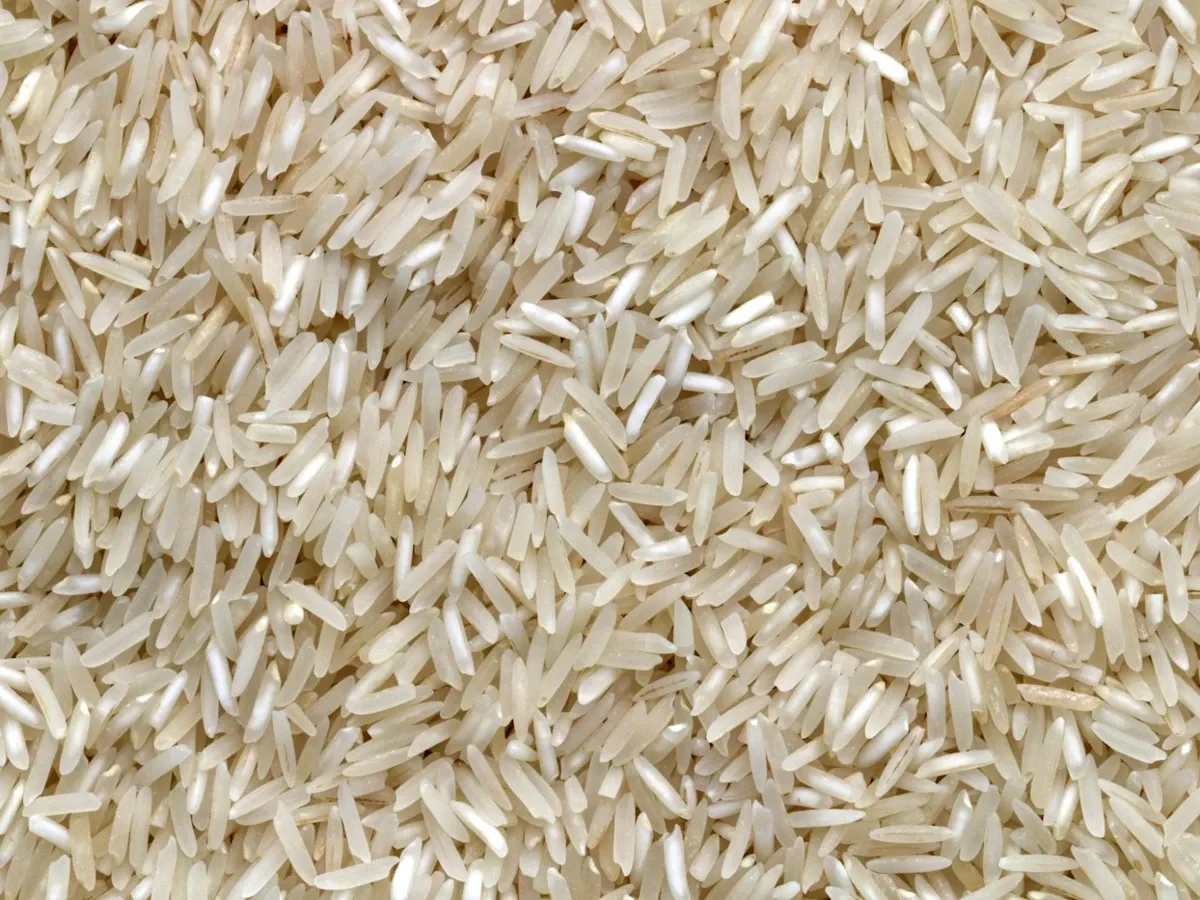
This importer sources rice from overseas mills for grocery stores and food distributors. It operates a high-volume supply chain built around keeping a staple food consistently available.
Growing volume tied up more cash
Mills expected payment at or near shipment, while grocers and distributors paid on terms. The gap between those payments grew as the importer bought and sold larger volumes.
Working capital for a staple supply chain
Vendor Financing helped the business pay overseas mills and purchase the volumes its customers needed. Financing supported the purchasing cycle as order sizes increased.
More purchasing capacity as the business grew
Revenue nearly tripled from 2023 to 2024. The business recorded $7.1 million in total invoice value funded and 210 invoices financed since 2020.
What this means for a business like yours
In a volume business, a small timing gap can tie up meaningful working capital across repeated orders.
Customer identity is withheld for confidentiality. Figures reflect the periods described in the original case study, not current balances or a forecast. Cumulative invoice value is not an approved credit limit. Individual results vary.