The business behind the story
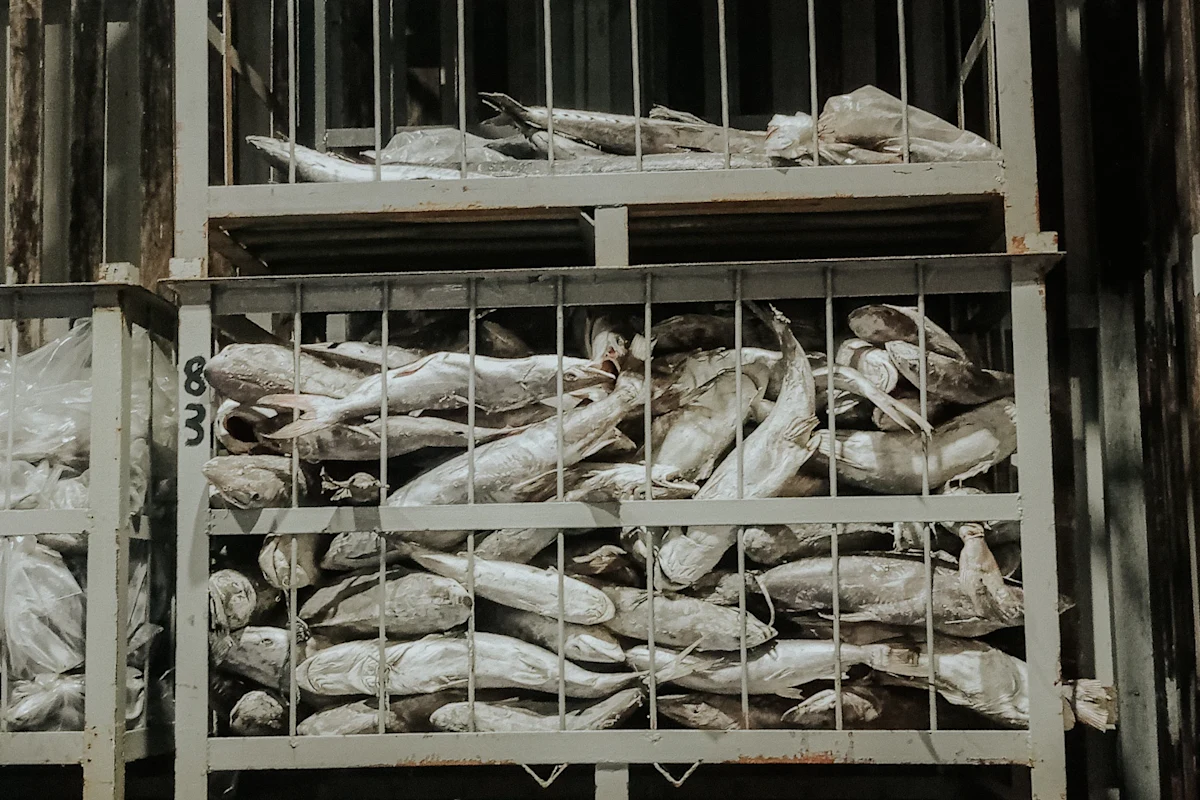
A frozen-food trading business purchases goods for distribution. Its portfolio records classify the business in animal products and frozen food. The relationship with Drip Capital began in October 2021, and the invoice history continues through June 2026.
The working capital challenge
Purchasing food commits working capital before the business completes its sales and collection cycle. The next purchase may require finance while cash remains committed to earlier goods. For a business placing repeat orders, that makes purchasing finance a recurring operating decision. The records support a story about repeated use over almost five years.
How Drip Capital helped
The business first received a recorded advance from Drip Capital on October 21, 2021. By June 29, 2026, Vendor Financing had been used across 492 invoices with a combined face value of approximately $30.12 million. Recorded advances totaled approximately $25.07 million. Financing activity appears in every calendar year from 2021 through 2026. The cumulative amounts describe the purchases financed over that period and are separate from any approved facility limit.
Repeated purchasing support
The customer financed 13 additional invoices after the June portfolio snapshot, adding approximately $606,000 in invoice value. The later export brings the cumulative record to 492 financed invoices. This establishes a substantial, repeated financing relationship spanning almost five years. The verified outcome is the purchasing volume supported across those transactions.
What this means for a business like yours
For a food trader placing repeat orders, purchasing and collection schedules both matter. Use dated transaction records to assess how financing supports the buying cycle, and verify any peak-demand or cold-chain outcome separately.
Historical financing activity from 2021-10-21 to 2026-06-29. Figures are cumulative and stated in USD. Invoice face value and financing advances are separate measures. Customer identity is withheld.