

You have paid your business bills on time. Then a vendor checks your credit and finds very little to go on. The problem may be visibility: your payment history needs to reach the companies keeping the records.
If you are learning how to build business credit, start there. Set up an accurate business identity, establish accounts that report, and make payments you can sustain. Moving quickly means avoiding wasted steps. No checklist can promise a particular score or approval date.
Photo: Cht Gsml on Unsplash. Illustrative business planning.
What is business credit?
Business credit records help vendors and lenders assess how a company handles financial obligations. Information and scoring systems vary across credit bureaus. Your business may have different records with different providers, so there is no single business credit score that every decision-maker uses.
The SBA also notes that a new business’s loan eligibility is typically linked to its owner’s personal credit. Creating a company or getting a tax ID does not make that consideration disappear.
How to build business credit in nine steps
1. Make your business identity consistent
Use the correct legal name, business address, and contact information across registration records, bank accounts, and credit applications. Check that accounts belong to the intended entity. A typo or outdated address can make a record harder to match and an application harder to review.
2. Get an EIN when appropriate
An employer identification number identifies your business for federal tax purposes. Apply directly through the IRS if your business needs one; the IRS application is free. Follow its entity-formation instructions before applying for an LLC or corporation. An EIN does not itself create a credit history or establish borrowing eligibility.
3. Separate business banking from personal spending
Use a dedicated business account and keep business transactions documented. This helps you track bills, deposits, and available cash. The FDIC’s small-business credit guide includes business banking and identification among the foundations of establishing business credit. Opening the account alone does not prove that positive credit information will be reported.
4. Check the records that already exist
Look for your business with Dun & Bradstreet, Experian, and Equifax. Correct basic identity errors and understand the identifiers each uses. The SBA identifies a D-U-N-S number as a unique nine-digit business identifier. Check whether one already exists before requesting another; the number itself is not a credit score.
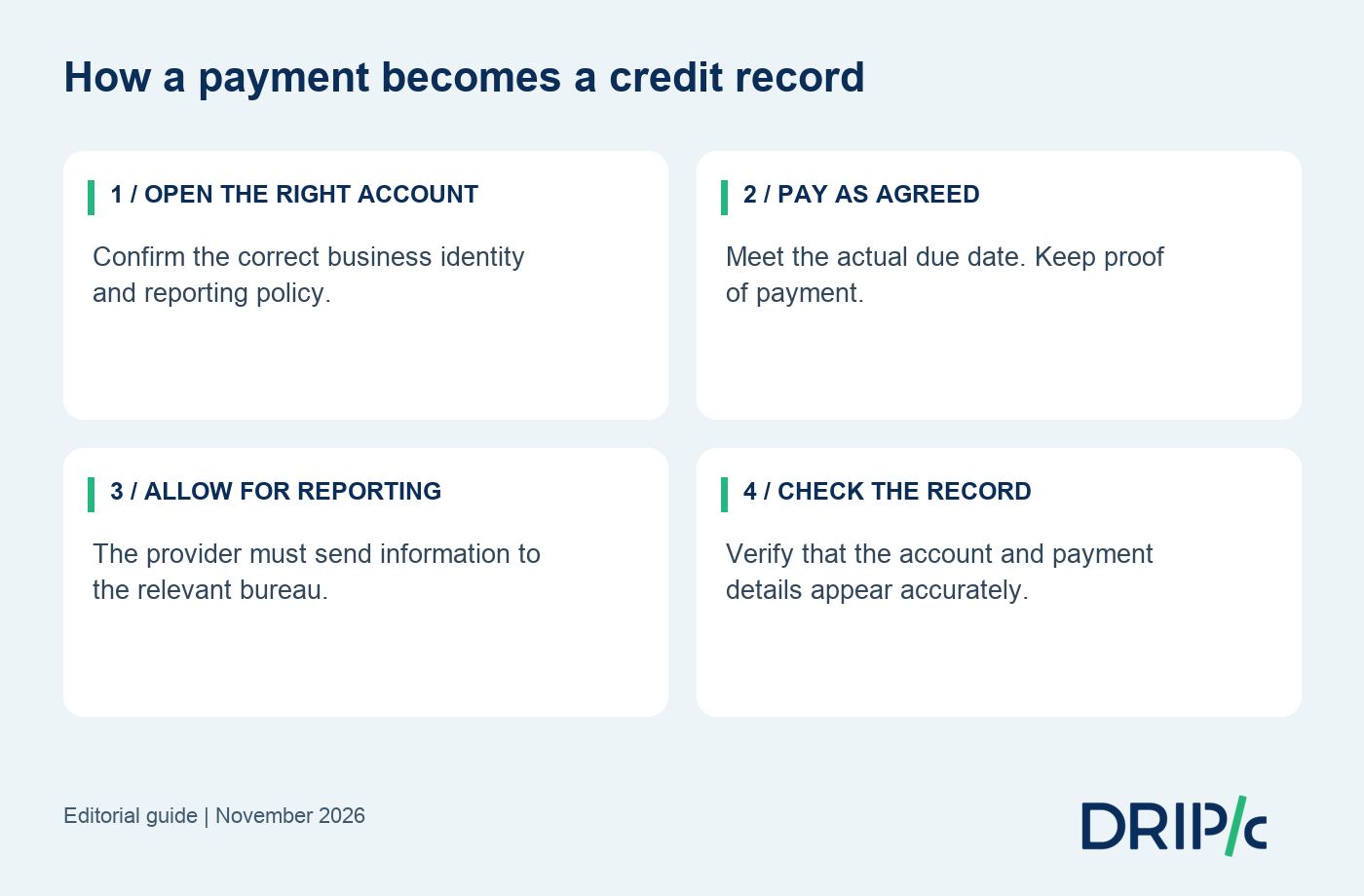
Figure 1. The link between a payment and a usable credit record. Editorial process guide.
5. Ask vendors whether they report payment history
Before opening a trade account, ask which business credit bureau receives payment information, how often it is sent, and whether your account type qualifies. Dun & Bradstreet explains that trade references can help establish payment experience, but submission and acceptance are not guaranteed. A vendor offering net terms may never report your payments.
Keep purchases tied to real operating needs. Buying unnecessary goods just to create a payment record leaves you with another bill and no assurance of a useful result.

Talk to Drip Capital about working capital for your operating business.
Before taking on another payment, check the weeks when payroll, vendor bills, and tax payments fall together. A credit-building plan has to survive your actual cash flow.
6. Choose credit accounts you can use responsibly
Consider a business credit account only when its purpose, terms, and payment requirements suit the business. Ask about business-bureau reporting before applying, and understand any personal-credit review or guarantee requirements. Prepare the records needed for a business credit application. Approval and reporting are separate questions.
7. Pay by the agreed due date
Track each invoice’s actual due date and set reminders before it arrives. Where you use automatic payments, check that funds will be available. Understand net payment terms, including when the payment period starts. If you dispute an invoice, resolve it promptly and document any revised agreement.
8. Keep balances manageable
Avoid using every available dollar simply because the limit allows it. Experian’s business-credit glossary lists payment behavior, credit utilization, balances, public records, and other factors among inputs to its scoring approach. There is no universal balance percentage that guarantees a stronger score. Plan repayments alongside expected customer collections.
9. Review, correct, and repeat
Check reports periodically, especially before an important financing application. Follow the relevant bureau’s process for disputing inaccurate information and retain supporting records. Monitor your accounts receivable too: slow customer payments can make it harder to meet your own commitments. Good credit habits depend on a business that can keep paying.
How fast can you build business credit?
There is no reliable deadline that applies to every business. It depends on existing records, account activity, reporting schedules, and the standards used by the company reviewing you. Someone searching how to build business credit fast can complete setup work promptly, but a payment history still takes actual transactions and reporting.
By the numbers: The IRS charges $0 for an EIN. Experian’s Intelliscore Plus uses a 1–100 scale, with higher scores indicating lower risk. That scale is specific to that model; it is not a universal score for every bureau or lender.
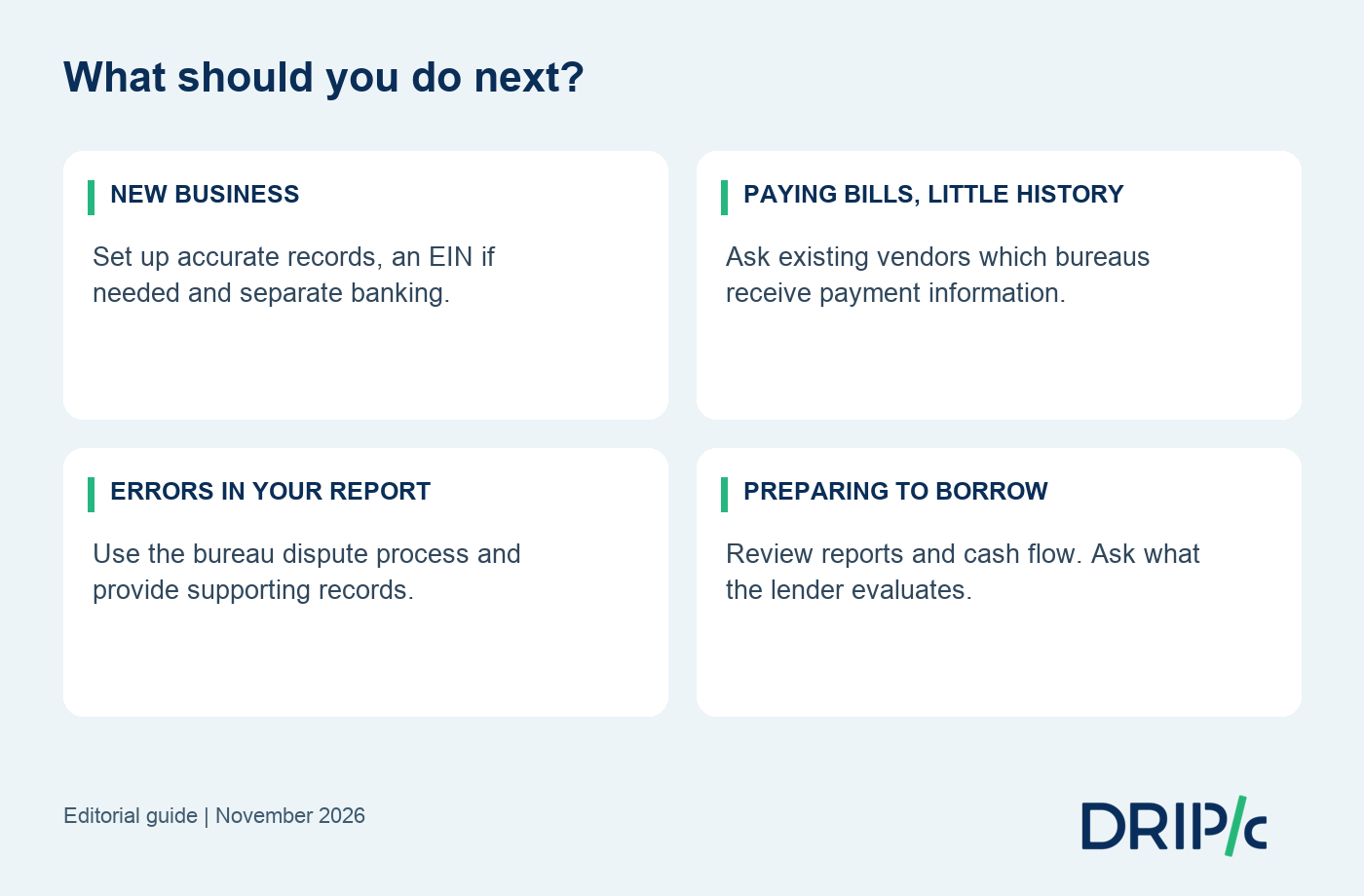
Figure 2. Practical next steps for three common starting points. Editorial checklist.
What can slow your progress?
Inconsistent business details, vendors that do not report, missed payments, and inaccurate records can all complicate the process. So can confusing available credit with affordable debt. Review vendor payment agreements and your working-capital needs before adding another obligation.
Support operating needs with Drip Capital
Building a credit record and funding a purchase are separate decisions. Drip Capital offers a Line of Credit for business working-capital needs, subject to approval and applicable terms. Assess it against your operating needs and repayment plan. This is not a claim that using the product builds business credit or that account activity is reported to a particular bureau.
Frequently asked questions
Can I build business credit using only an EIN?
An EIN is a tax identifier. It does not replace a payment history, establish creditworthiness, or guarantee financing without a review of the owner’s personal credit.
Do net-30 accounts automatically build business credit?
No. Ask whether the vendor reports your account to a business credit bureau and confirm its reporting requirements. Payment terms alone do not establish that reporting occurs.
How do I know whether my business credit is improving?
Review the relevant business credit reports for accurate account information and payment history. If you are preparing to apply for financing, ask which records the lender considers; how to build business credit effectively depends partly on making the right information visible.