

Photo: Bernd Dittrich / Unsplash. Illustrative image.
A busy season is good news until every bill arrives before the customers do. The vendor wants a deposit. The warehouse needs more space. Your biggest buyer wants another month to pay. Apparently, everyone has plans for your cash.
Seasonal business loans can help cover that gap. The useful question is how much money you need, when it comes back, and whether the repayments leave room for a slower season. Start there, before comparing the loan offers.
What Are Seasonal Business Loans?
Seasonal business loans are financing used to cover predictable changes in business activity. A wholesaler might buy holiday inventory months before retailers pay. A food distributor might need extra stock and temporary staff ahead of a recurring rush.
The term describes the purpose. It does not identify one standard loan product. A Line of Credit, a term loan, or an invoice-based facility can each support seasonal working capital, with different costs and repayment obligations.
What Should the Money Cover?
Build the budget around the full order: deposits, the remaining purchase price, freight, duties where applicable, storage, and customer payment terms. Add the operating costs that continue while the goods are waiting to sell.
Our guide to funding large inventory orders explains why the purchase invoice can understate the cash required.
When Does Seasonal Borrowing Make Sense?
It helps when a temporary cash shortage sits behind a commercially sound purchase. Review confirmed orders, repeat-customer demand, and last season's returns. A hopeful sales forecast deserves a smaller commitment than an order with agreed quantities and payment terms.
By the Numbers: Size the Gap First
Here is an illustrative holiday inventory financing plan, not a lender quote. Assume purchases and operating outflows total $180,000 before collections. Available cash above your operating reserve is $65,000, and reliable customer receipts during that period are $35,000.
total cash needed before
the sales cycle pays back.
usable cash plus expected
receipts during the gap.
remaining funding need before
financing charges and contingency.
Illustrative example; assumptions and calculations are explained in the article.
These figures assume the receipts arrive as expected. Rework the plan with delayed collections and markdowns before deciding what to borrow.
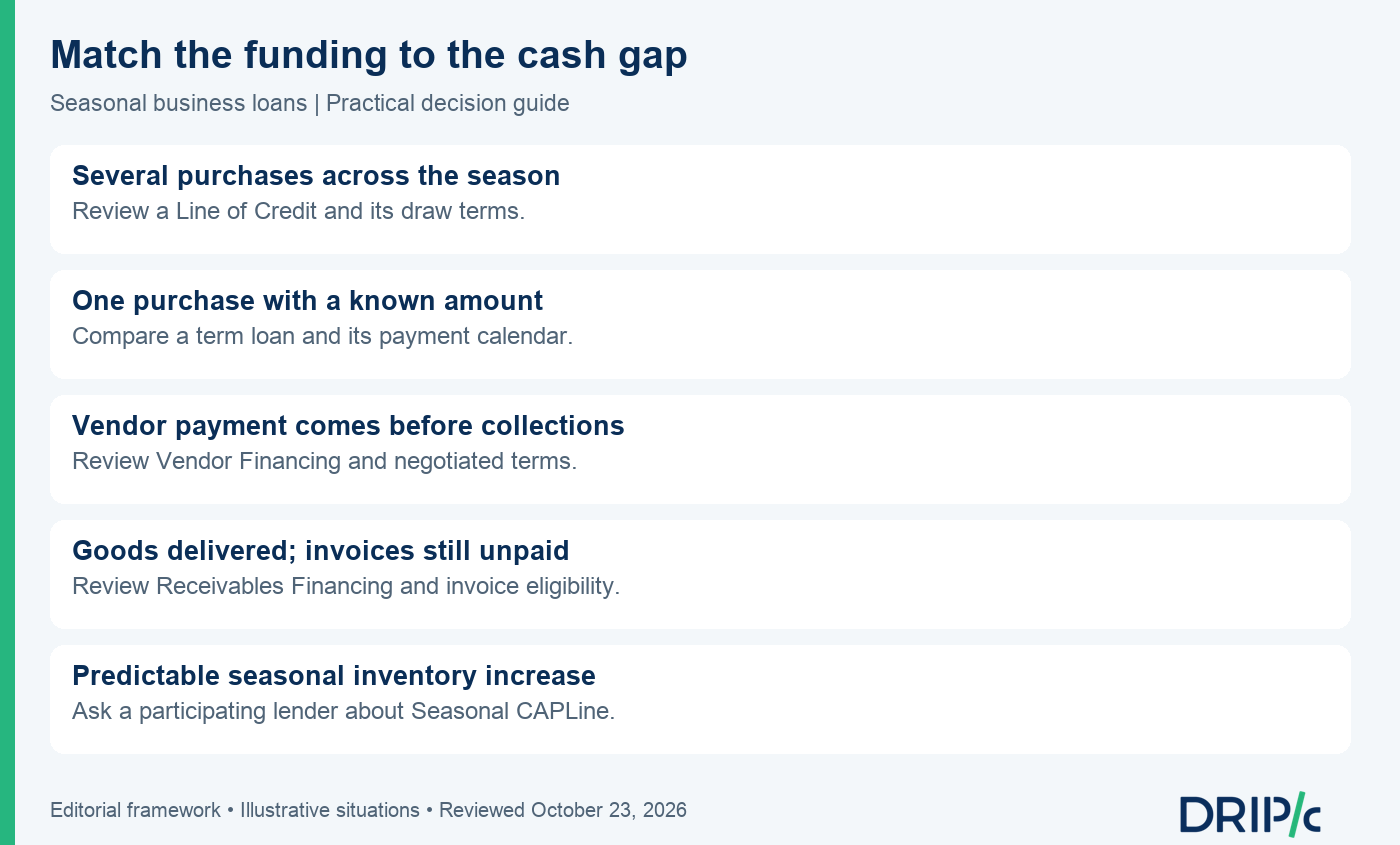
Figure 1. Seasonal business loans: match the funding route to the payment gap. Editorial comparison; availability and terms depend on the provider.
Six Ways to Fund Holiday Inventory
1. A Business Line of Credit
A Line of Credit lets you draw within an agreed limit as expenses arise. It can suit several purchases spread across a season. Check whether repayments restore available credit, what each draw costs, and when the lender can review the facility.
Use the common Line of Credit uses guide to separate inventory needs from recurring operating expenses. A credit limit is useful only if its repayment schedule fits the actual cash cycle.
2. A Short-Term Business Loan
A term loan provides an agreed amount with scheduled repayments. It may fit a purchase whose size and timing are known. Ask for the complete repayment calendar, including the first payment date, before accepting the offer.
A large January collection will not cover a payment due in November. Compare offers using the same amount and expected repayment period; headline rates alone can hide differences in charges and payment frequency.
3. An SBA-Backed Working Capital Facility
SBA's Seasonal CAPLine can finance seasonal increases in inventory and accounts receivable, and sometimes associated labor costs. It can be revolving or non-revolving. Applications go through participating lenders and remain subject to program and lender requirements.
Ask about documentation and timing early. SBA backing does not mean your particular order or business automatically qualifies. Do not promise a vendor payment date until the lender has confirmed availability.
4. Vendor Financing
Vendor Financing can support a purchase by arranging payment to the vendor while the business repays under agreed terms. Review the proposed transaction, repayment deadline, and permitted uses. The product name alone does not tell you whether cash reaches your account or goes directly to the vendor.
Our working capital funding comparison helps connect the payment structure to the business need.
Before choosing peak season financing, put the repayment dates beside your expected collection dates. Leave enough cash for the business to keep operating if one buyer pays late.

A sensible purchase can become uncomfortable when the timing is wrong. Confirm the first payment and the last payment, then run the forecast again with weaker sales.
5. Receivables Financing
If you have already delivered goods and issued invoices, Receivables Financing may provide cash against those receivables. It can support the next inventory purchase while customers pay on their agreed terms. Buyer quality, invoice validity, disputes, and financing terms affect availability.
An unfulfilled customer order is a different asset. Our purchase-order funding explainer covers that earlier stage. Avoid counting the same invoice as available support for two separate facilities.
6. Negotiated Vendor Terms or Customer Deposits
These commercial arrangements also belong in the comparison. A smaller deposit, staged shipment, or customer prepayment may reduce the amount you need to borrow.
Check the trade-off. Longer vendor terms could change the price; customer deposits may carry refund or delivery obligations. Put the agreement in writing using a clear vendor payment-terms framework.
How to Compare the Offers
Compare Cash Received With Total Cash Repaid
Request a written breakdown of the amount available, deductions before funding, all charges, payment dates, and early-repayment treatment. Ask what happens if you repay sooner and whether unused availability carries a cost.
A quote should be understandable without translating three different sales phrases. If the provider uses a factor rate or a fixed charge, ask for the dollar repayment schedule instead of treating that number as an annual interest rate.
Check the Quiet Weeks Too
Include January returns, discounts on unsold stock, and the next routine inventory order. Holiday sales can look strong while cash remains tied up in receivables. The small-business funding comparison provides a wider view of the choices.
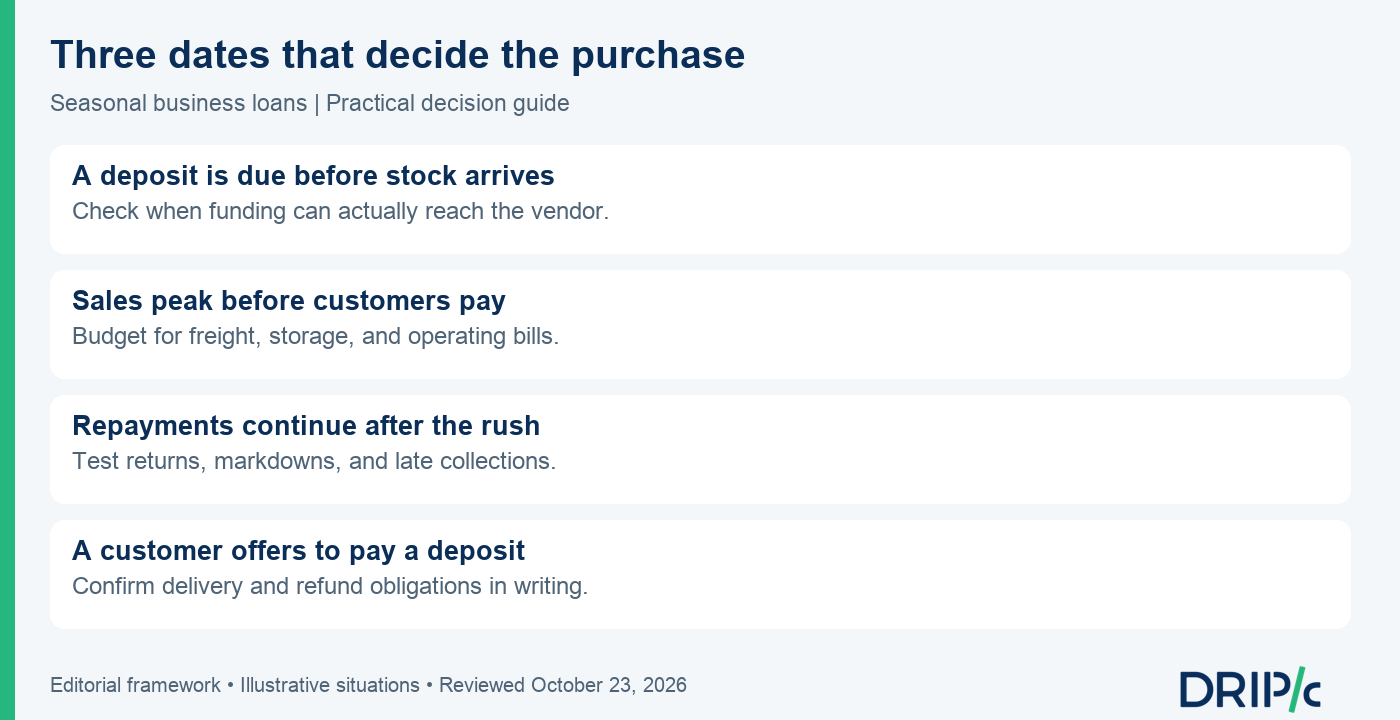
Figure 2. Seasonal business loans: purchase situations and the cash dates to check. Illustrative operating checklist.
Prepare Before Applying
Bring recent financial statements, bank statements, inventory records, receivables and payables aging, purchase commitments, and a seasonal cash forecast. Specific requests vary by lender.
Explain how to finance inventory for the holidays using the numbers from your own order book. Show what changes if sales are slower, collections slip, or freight costs rise. That makes the funding request easier to assess and your repayment plan easier to trust.
Where Drip Capital Fits
Drip Capital's Vendor Financing pays vendors directly, with repayment terms of up to 90 days. Its Line of Credit provides revolving working capital, with each draw repaid over six monthly installments. Approval and agreed terms apply.
Bring the purchase schedule and collection forecast to the conversation. Talk to Drip Capital about a funding structure that fits the seasonal gap you have identified.
Frequently Asked Questions
Can Seasonal Business Loans Cover Payroll?
Some working capital products allow payroll and other operating expenses. Confirm permitted uses with the provider; a facility designed to pay vendors directly may work differently.
How Much Should I Borrow for Holiday Inventory?
Start with the largest projected cash shortfall after allowing for an operating reserve. Include financing costs and test delayed collections. Your sales target alone cannot establish the amount.
Is a Line of Credit Better Than a Term Loan?
It depends on how purchases and repayments are spread through the season. Compare flexibility, total cost, and the actual repayment dates for your expected usage.
Can a New Business Get Seasonal Financing?
Requirements vary, and limited operating history can restrict the available options. Avoid assuming that a strong holiday forecast replaces the lender's eligibility and repayment checks.